
Respond to occupancy
Adjust lighting as people and vehicles move through a space, using standby brightness where appropriate.
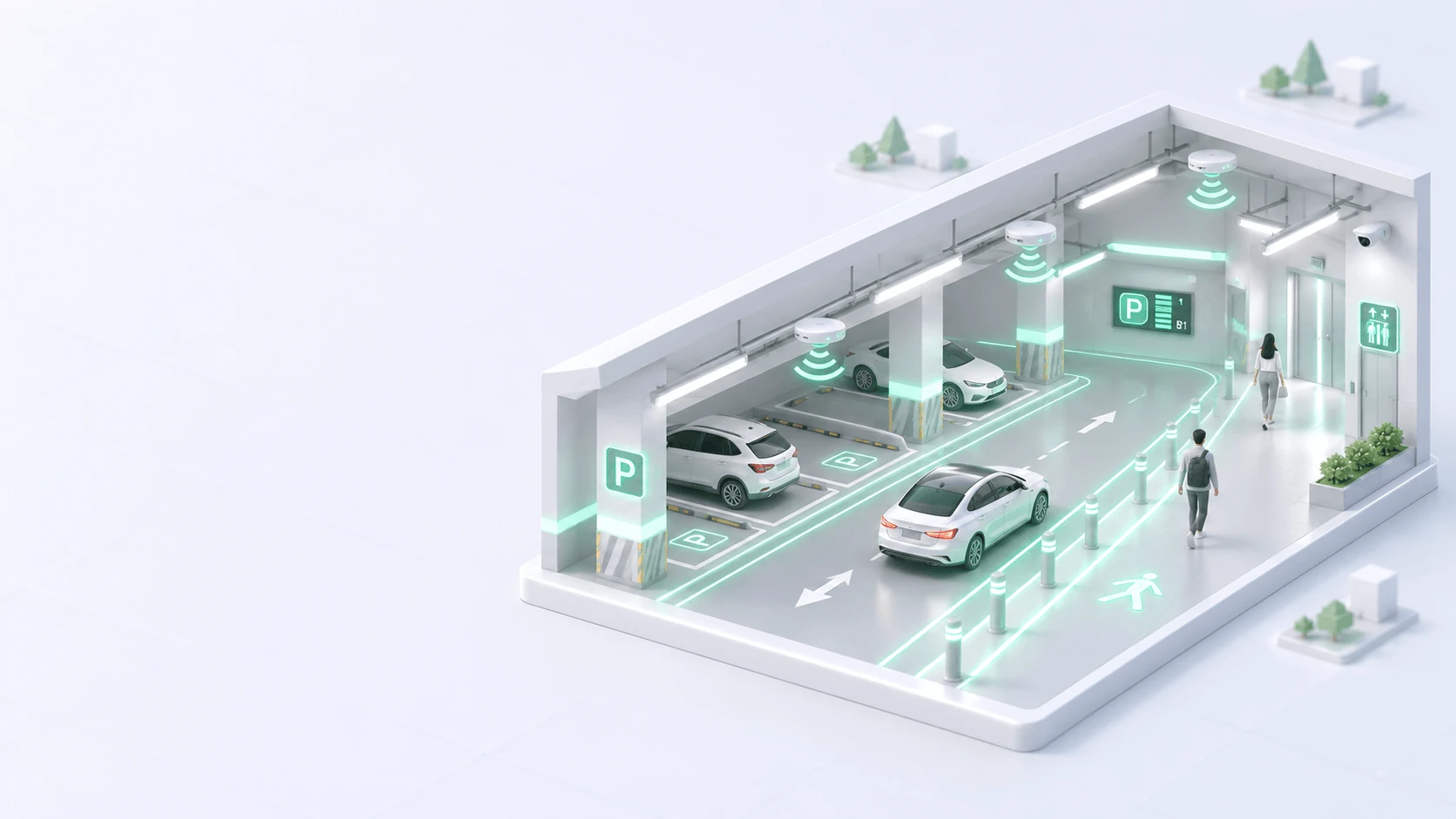
Bring sensing, dimming, efficient LED lighting and remote control together for more responsive indoor and street lighting.
Connect luminaires with occupancy and light sensing, zone control and lighting strategies. Indoor spaces respond to people and vehicles, while street lighting can be scheduled, dimmed and monitored remotely.
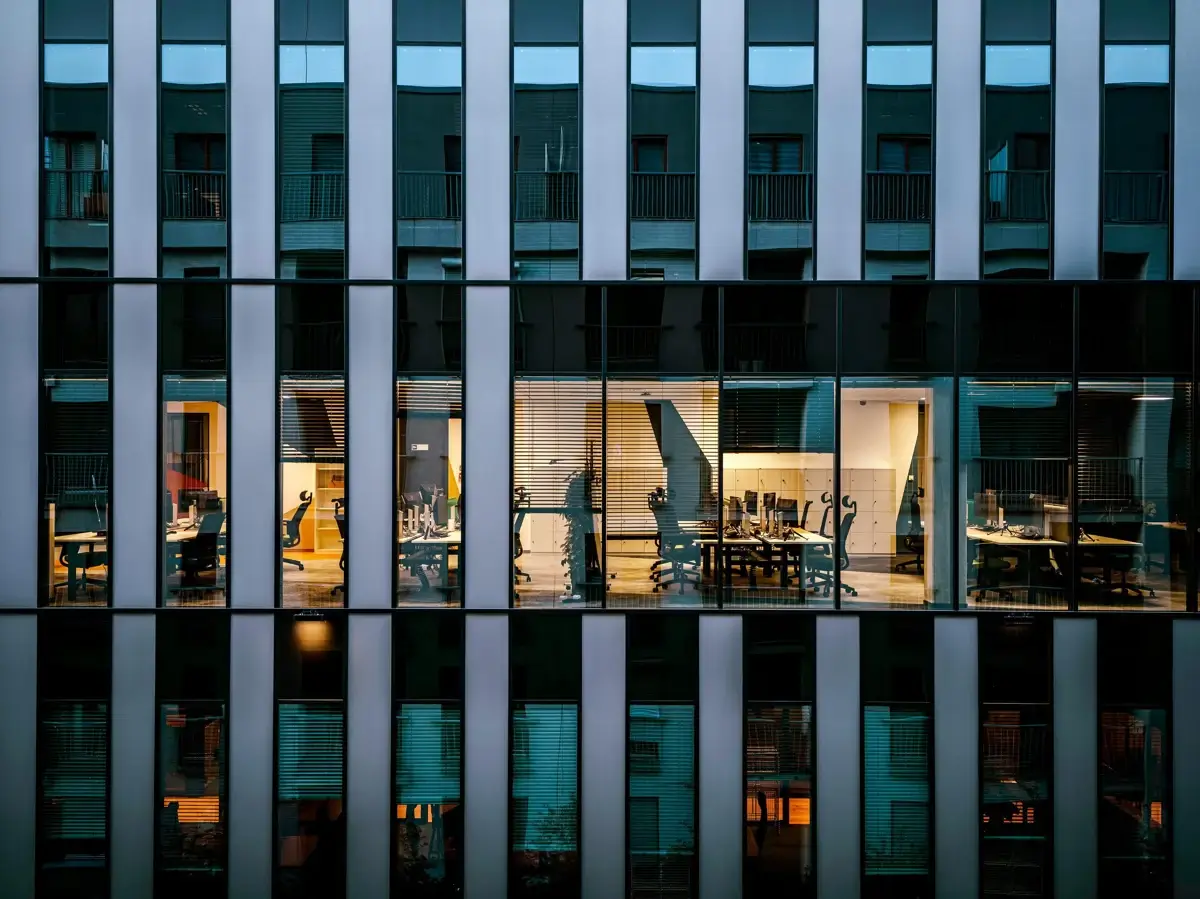
Adjust lighting as people and vehicles move through a space, using standby brightness where appropriate.
Combine daylight response, continuous dimming and scene settings to match different activities.
Check lighting status and adjust schedules, groups and dimming settings from connected tools.
Sensors and self-organizing lighting networks connect local movement with lighting response. Define groups, brightness levels and scene settings for each area.
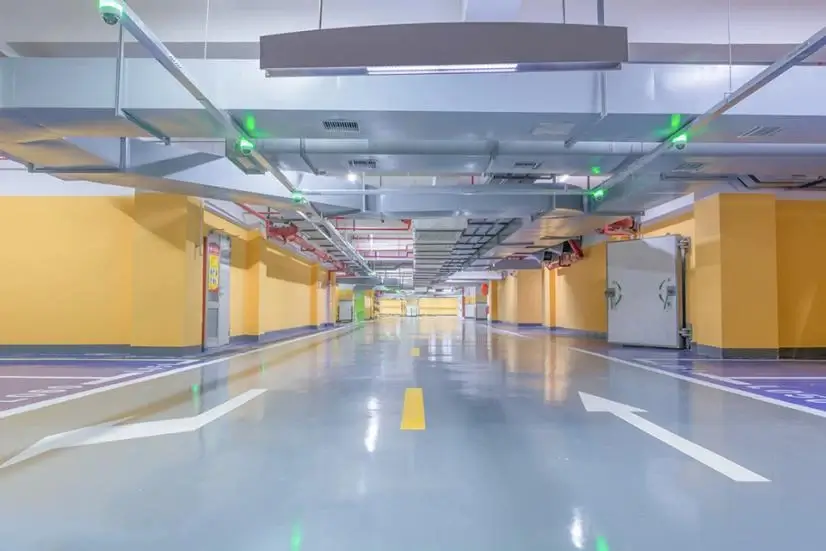
Illuminate a lane when people or vehicles arrive, coordinate adjacent groups and dim unoccupied areas with gradual brightening and fading.
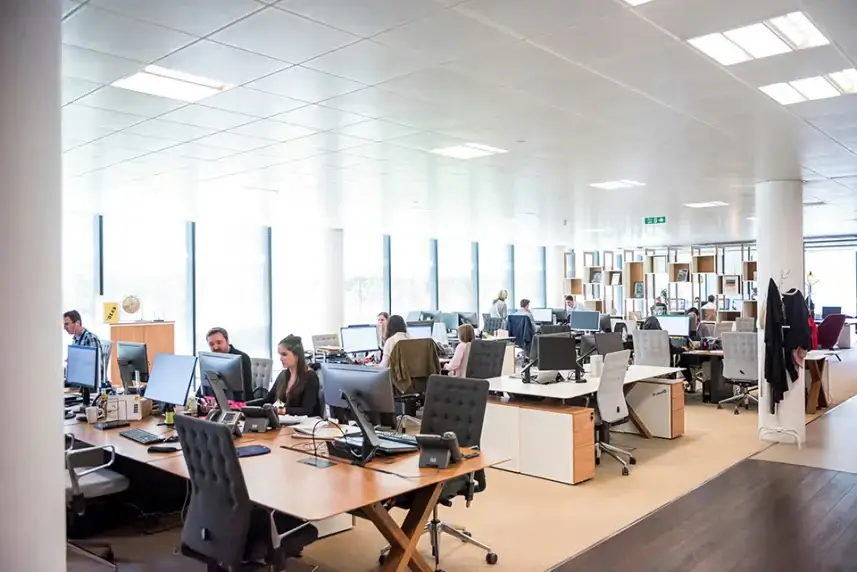
Use daylight sensing and constant-illuminance control, with occupancy response and scenes configured by zone.
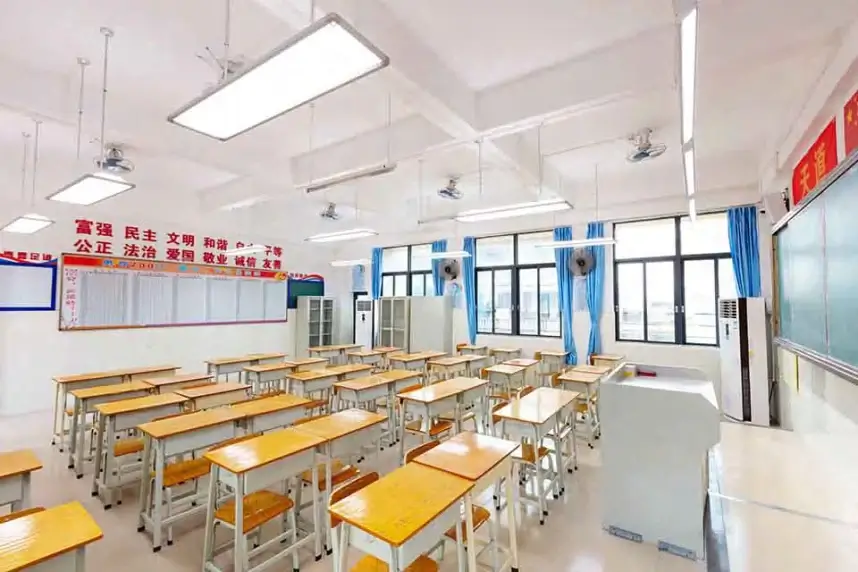
Combine daylight-responsive dimming and activity scenes to maintain desk illumination as outdoor light changes.
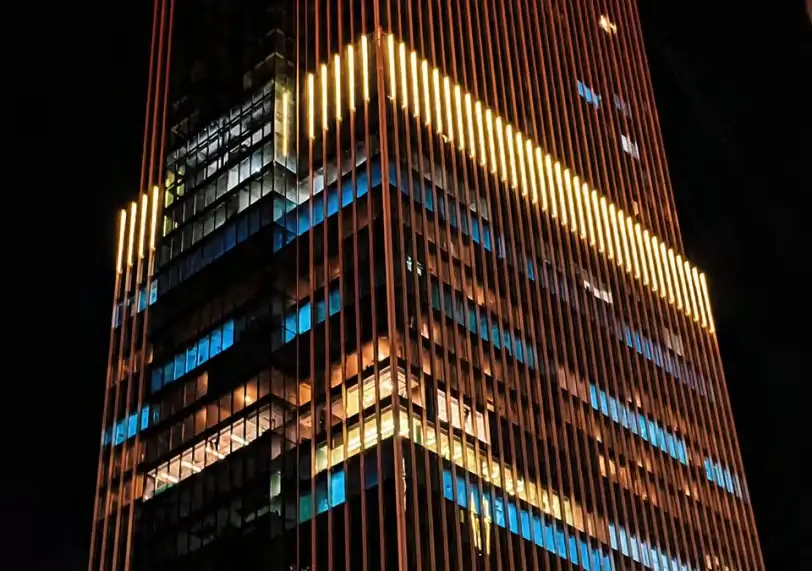
Review lighting status, operating time, network groups and sensing settings through a connected lighting platform.
Configure peak, normal, night and standby periods. Set brightness and occupancy responses around site opening hours and traffic patterns.
Keep entrances illuminated, coordinate lanes and dim parking areas when empty. Adjacent lighting groups can activate ahead of arriving users.
Connect lamp controllers with LED drivers to schedule switching, adjust brightness and monitor operating status. HPLC, RF and 4G approaches support different street-lighting deployments.
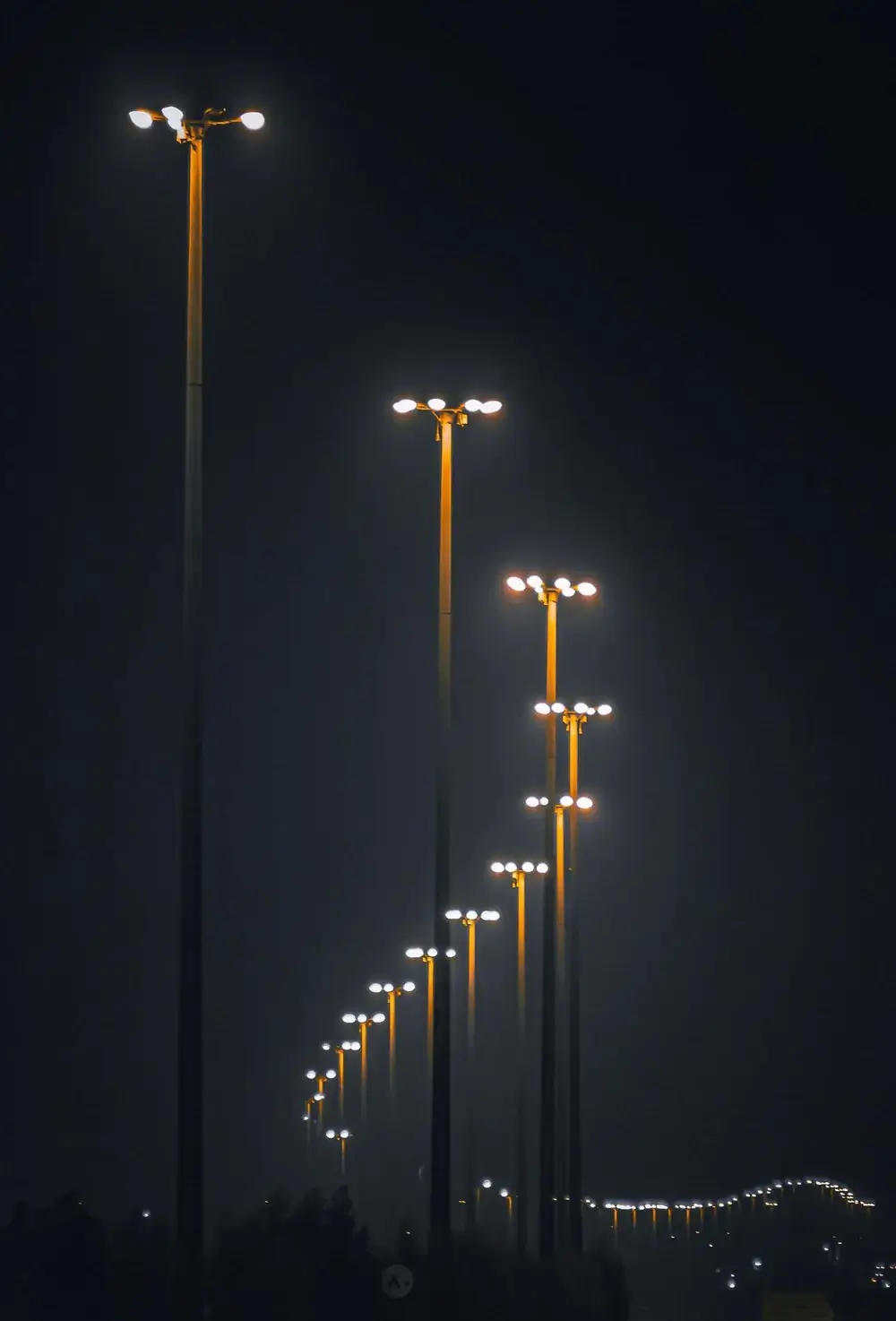
Control lighting remotely through the management software.
Review lamp operating conditions and electrical parameters.
Receive switching status and alarm information for nodes and individual lamps.
Adjust lighting output and control settings from a connected system.
The central controller can continue local operation when communication is disrupted.
Manage lighting through the smart lighting system’s web interface.
Coordinate lighting at the platform, zone and luminaire levels, with different communication paths for indoor and street environments.
Policies, status and remote operation
Group and schedule-based control
Sensing, switching and dimming
Combine sensing modules, dimmable power supplies and LED luminaires for indoor areas, with dedicated lamp controllers for street lighting.
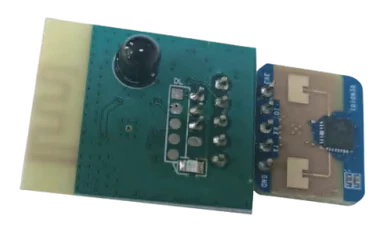
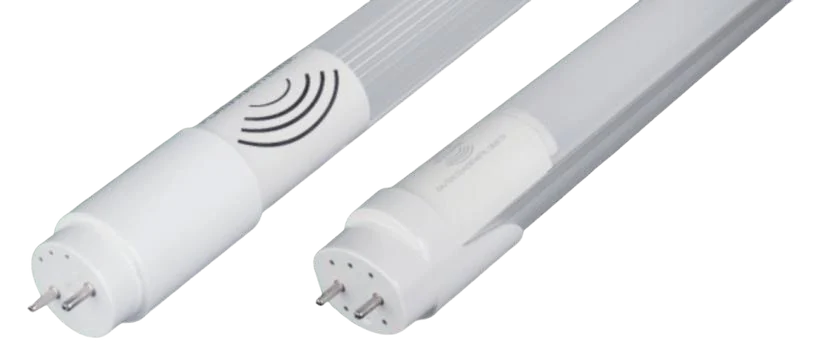
Detect breathing-level presence to help keep lights on when a person remains still.
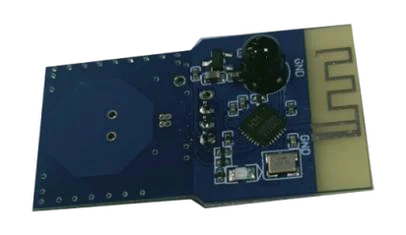
Detect movement using radar for applications where infrared response or sensing distance is a concern.
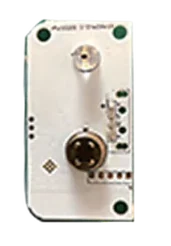
Combine ambient-light sensing with infrared detection for constant-illuminance dimming.
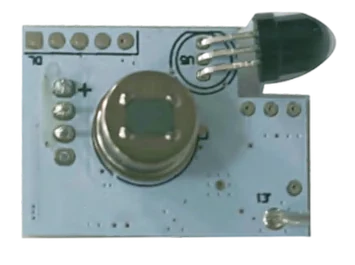
Detect people and vehicles through heat radiation and movement.
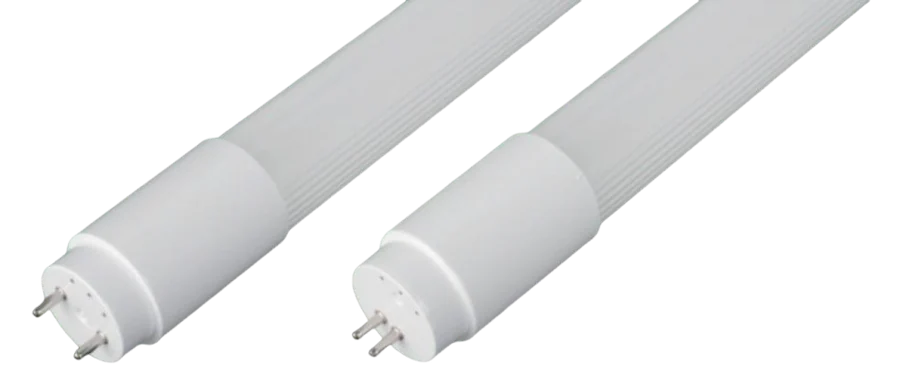
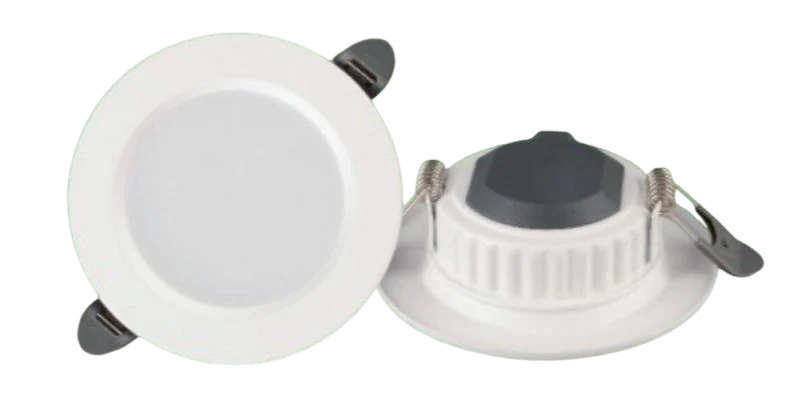
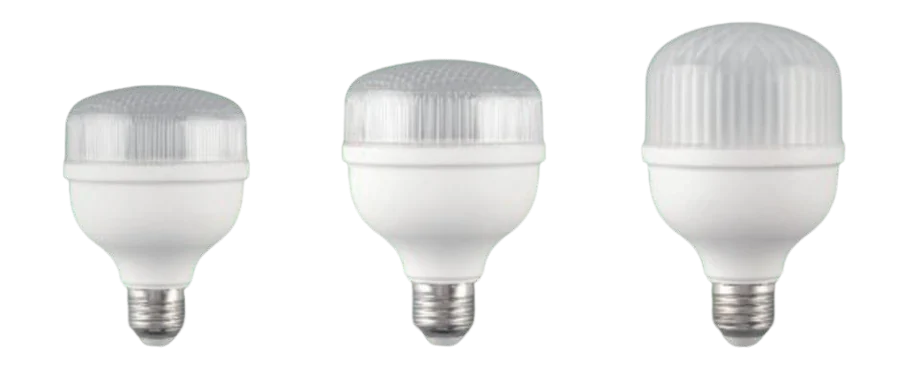
Supporting equipment includes dimming and colour-adjustable drivers, tube drivers and power supplies for downlights and ceiling lights.
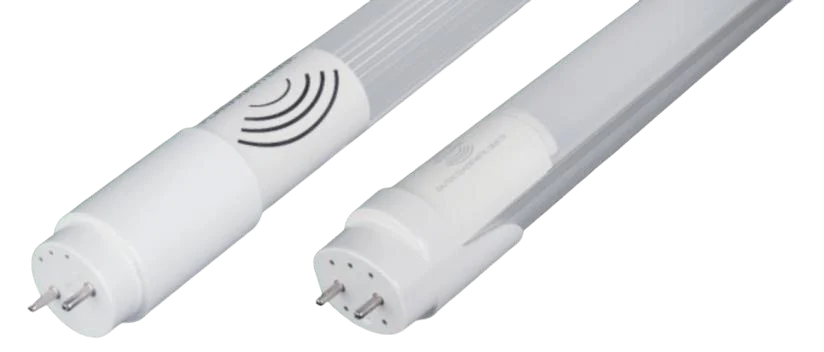

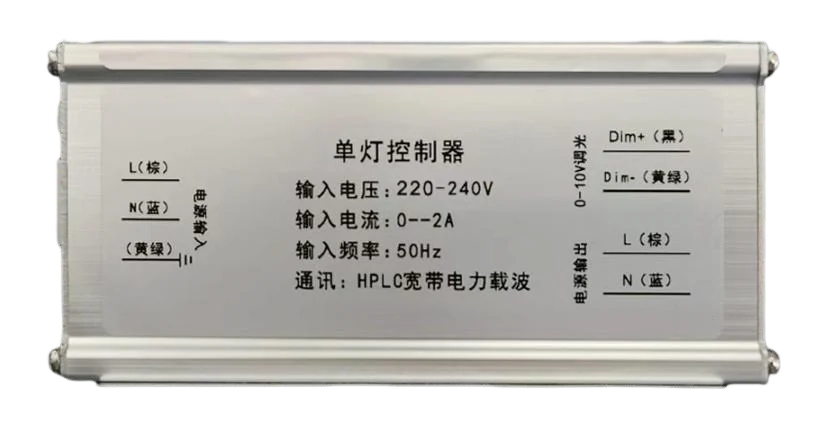
Uses power-line communication for control commands and status feedback, with scheduled switching and 0–10 V dimming.
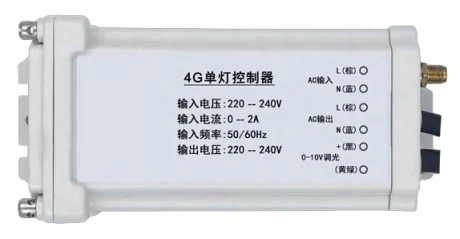
Connects directly to the platform over 4G for lamp monitoring and control, with 0–10 V dimming.
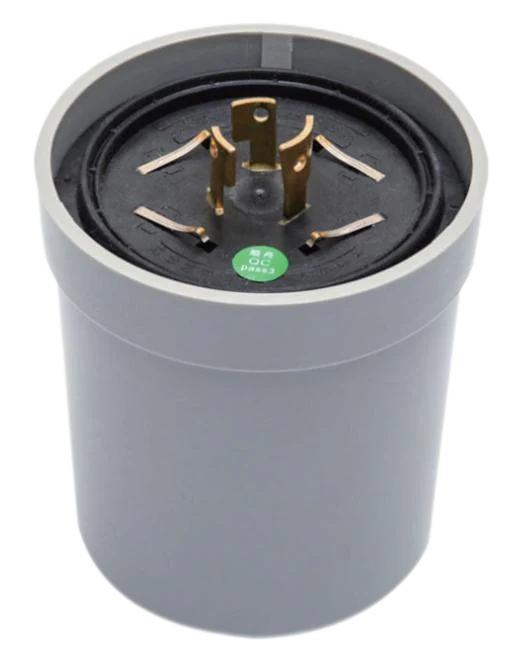
Supports HPLC, HPLC+RF, LoRaWAN or Wi-SUN options and a built-in light-control switch for individual lamp autonomy.
For an underground car park lighting retrofit, use a baseline of 500 lamps at 18 W, operating 24 hours a day. Apply the brochure’s conservative energy-saving assumption of 67% to compare annual electricity use.
The baseline assumes continuous operation: 216 kWh per day and 78,840 kWh per year.
Conservative energy-saving assumption
Estimated annual electricity saved
Estimated post-retrofit consumption and electricity savings are calculated from 78,840 kWh/year at 67% savings and rounded to the nearest kWh. Actual results depend on the original lighting, operating hours and control strategy.
The EMC cooperation model brings the retrofit and its operating savings into one arrangement, with project scope and benefit sharing defined in the agreement.
The service provider funds design, procurement, installation and maintenance.
Reuse existing circuits to help simplify the retrofit of operating spaces.
Replace dim garage lighting with responsive illumination to improve the appearance of the building and the experience of its users.
Owner cost savings are estimated at at least one third under the sharing arrangement. The actual allocation is set by the project agreement.
Share the site type, lighting inventory, operating hours and retrofit goals. Let’s discuss lighting control and a suitable cooperation approach.