
01
Shore supply
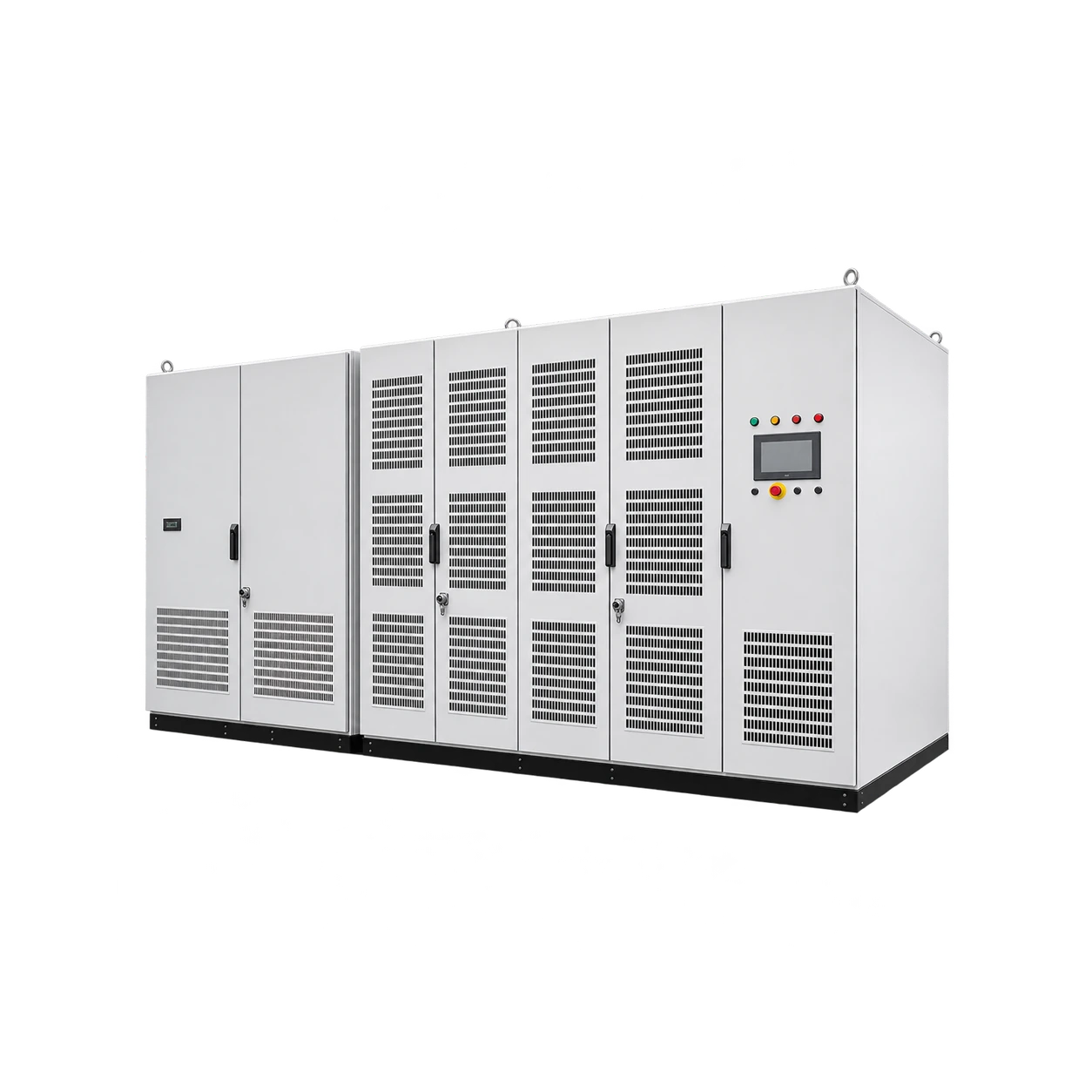
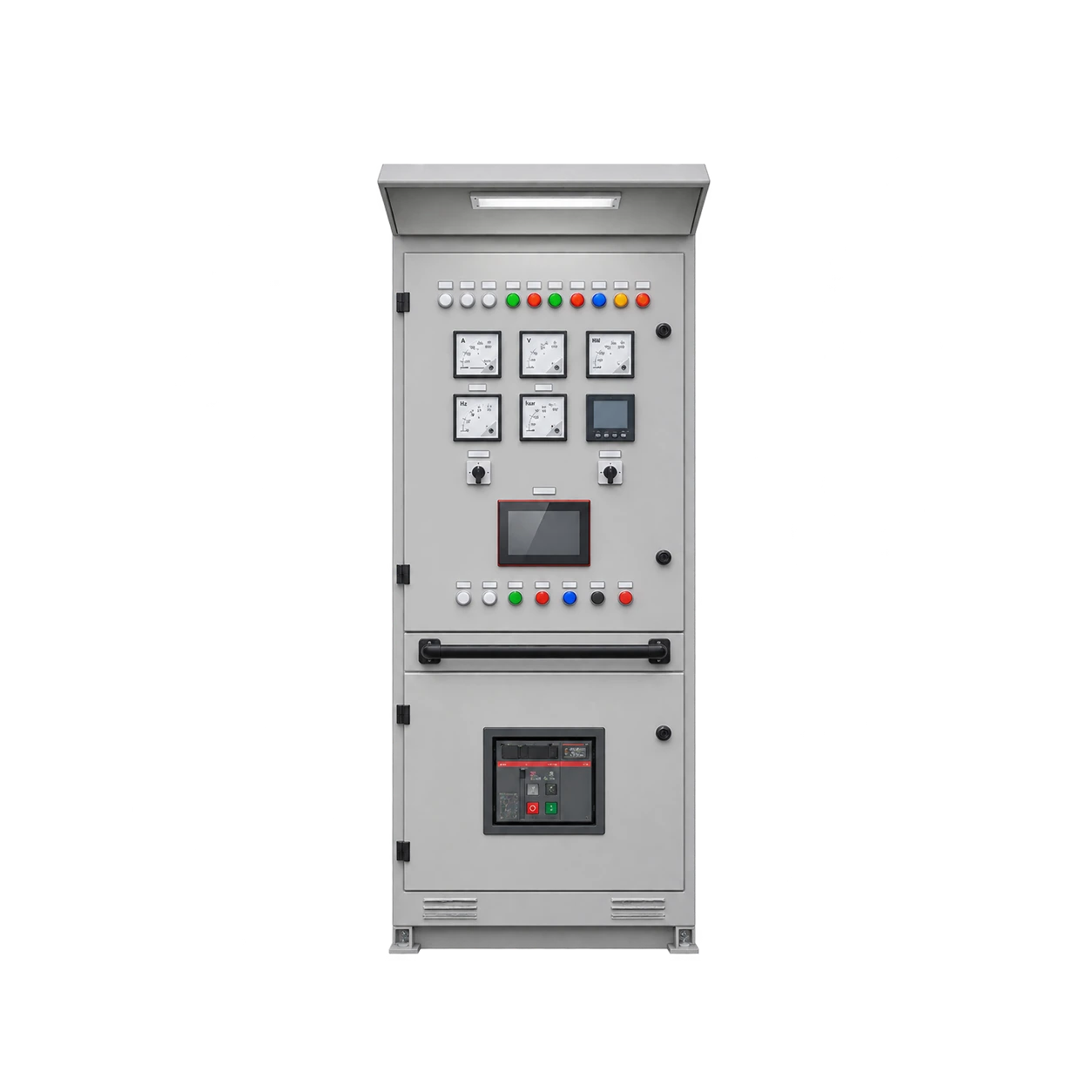
Switchgear, transformers and frequency converters adapt the grid supply to the berth.

Bring shore power to berthed vessels, from power conversion and safe ship connection to remote monitoring and metered billing.
A berthed vessel can draw electricity from shore in place of running its onboard auxiliary generators. Shore equipment converts the supply to the vessel’s voltage and frequency; the ship and shore systems check connection and interlock conditions before power is transferred.
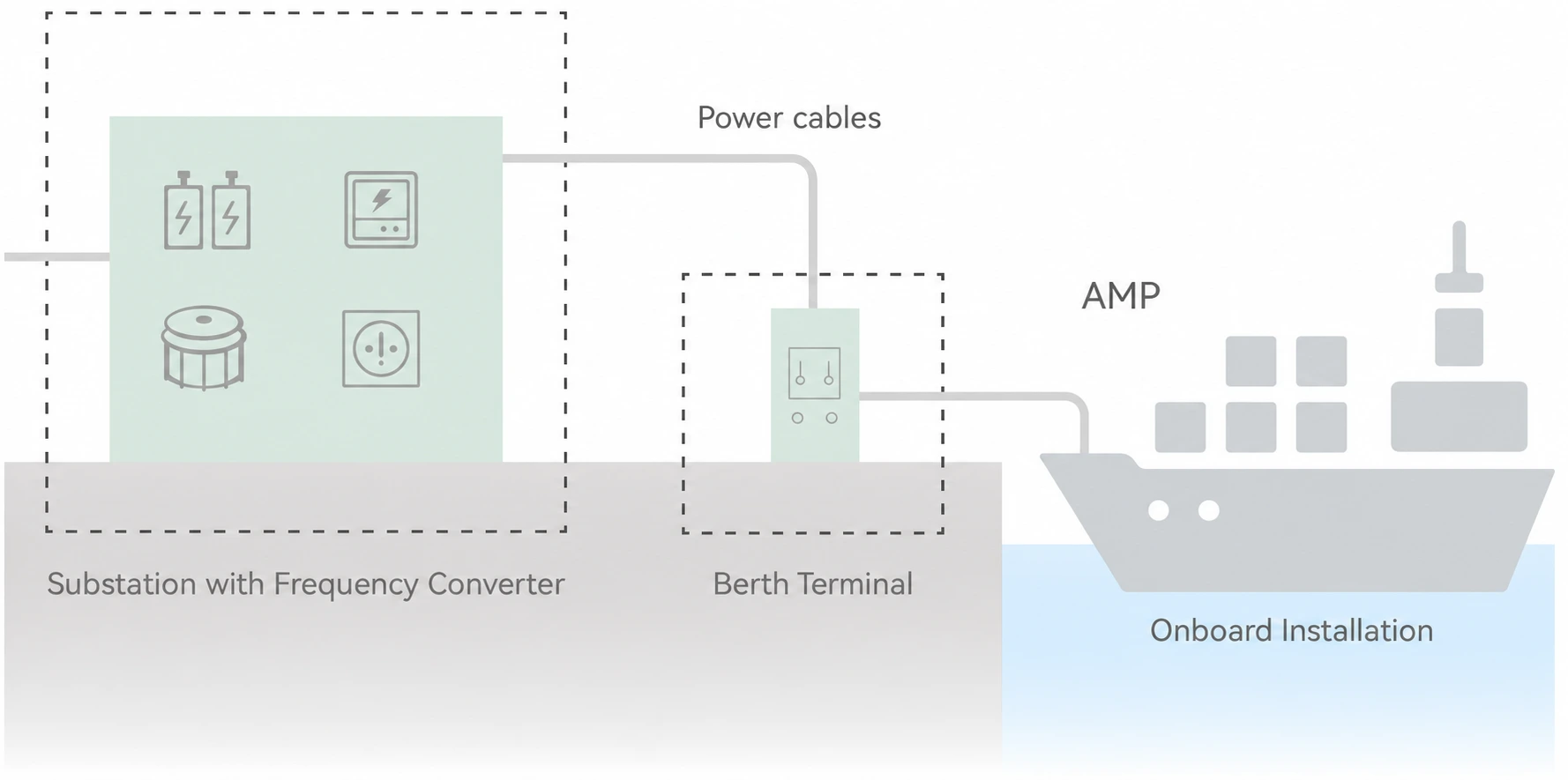
Switchgear, transformers and frequency converters adapt the grid supply to the berth.
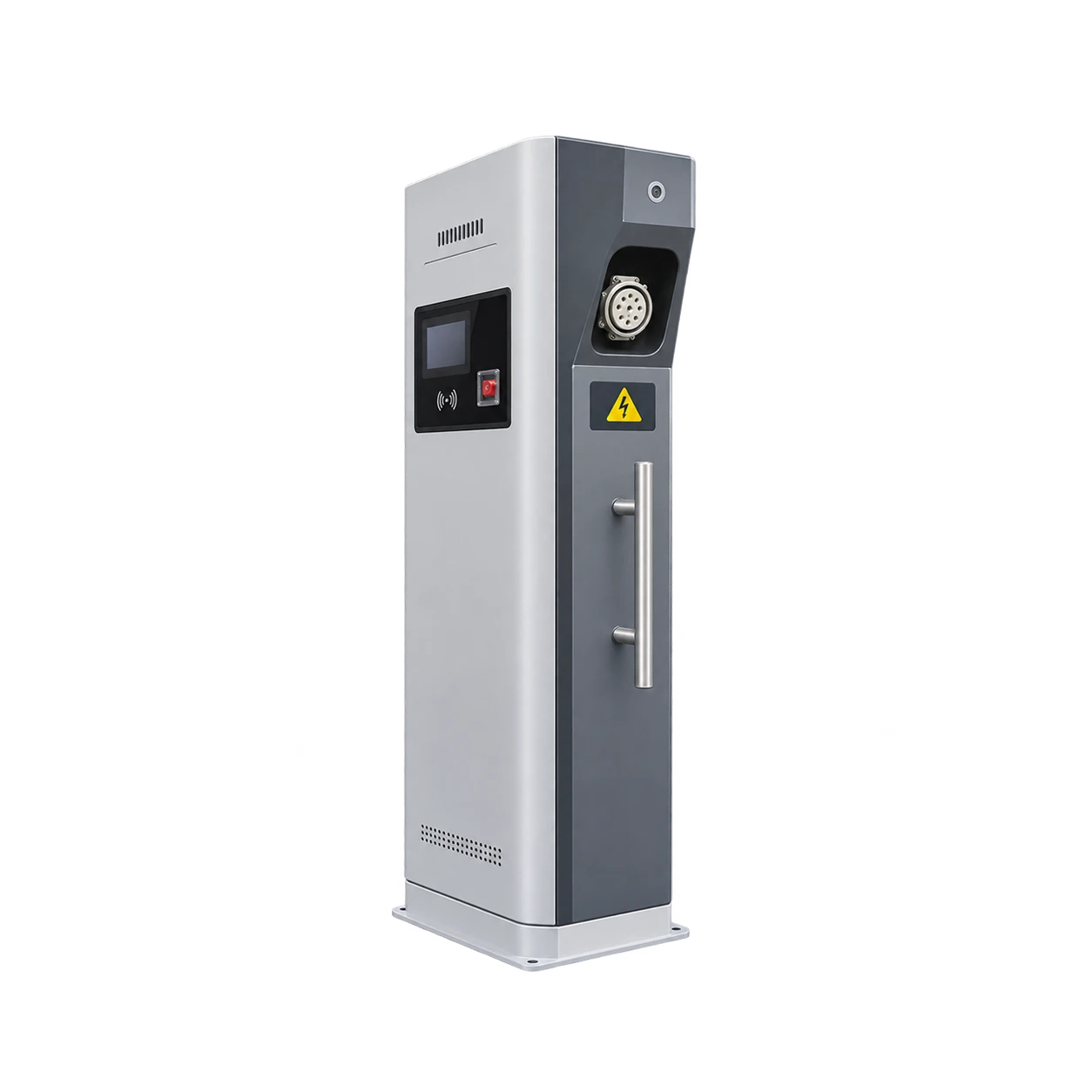
Connection boxes, shore power piles and cable handling equipment link the quay to the ship.
Verify the electrical conditions and complete the controlled transfer to the ship’s distribution system.
Using shore power while berthed reduces reliance on onboard auxiliary generators.

Shore power can lower the cost of supplying electricity at berth. Fewer generator operating hours can also reduce onboard maintenance costs.
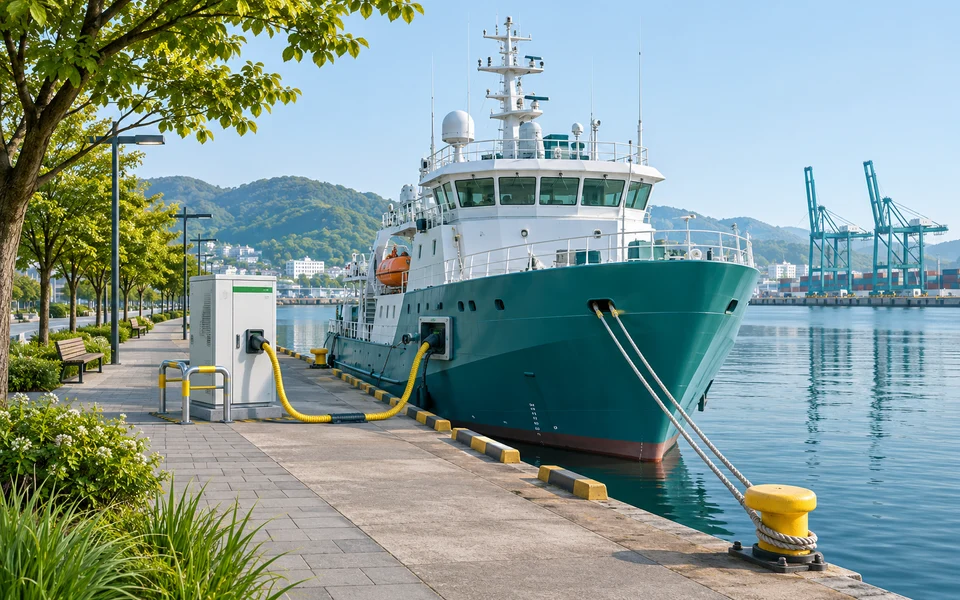
Switching off onboard generators reduces noise and local exhaust at berth. Carbon emissions can also fall, depending on the electricity supply mix.
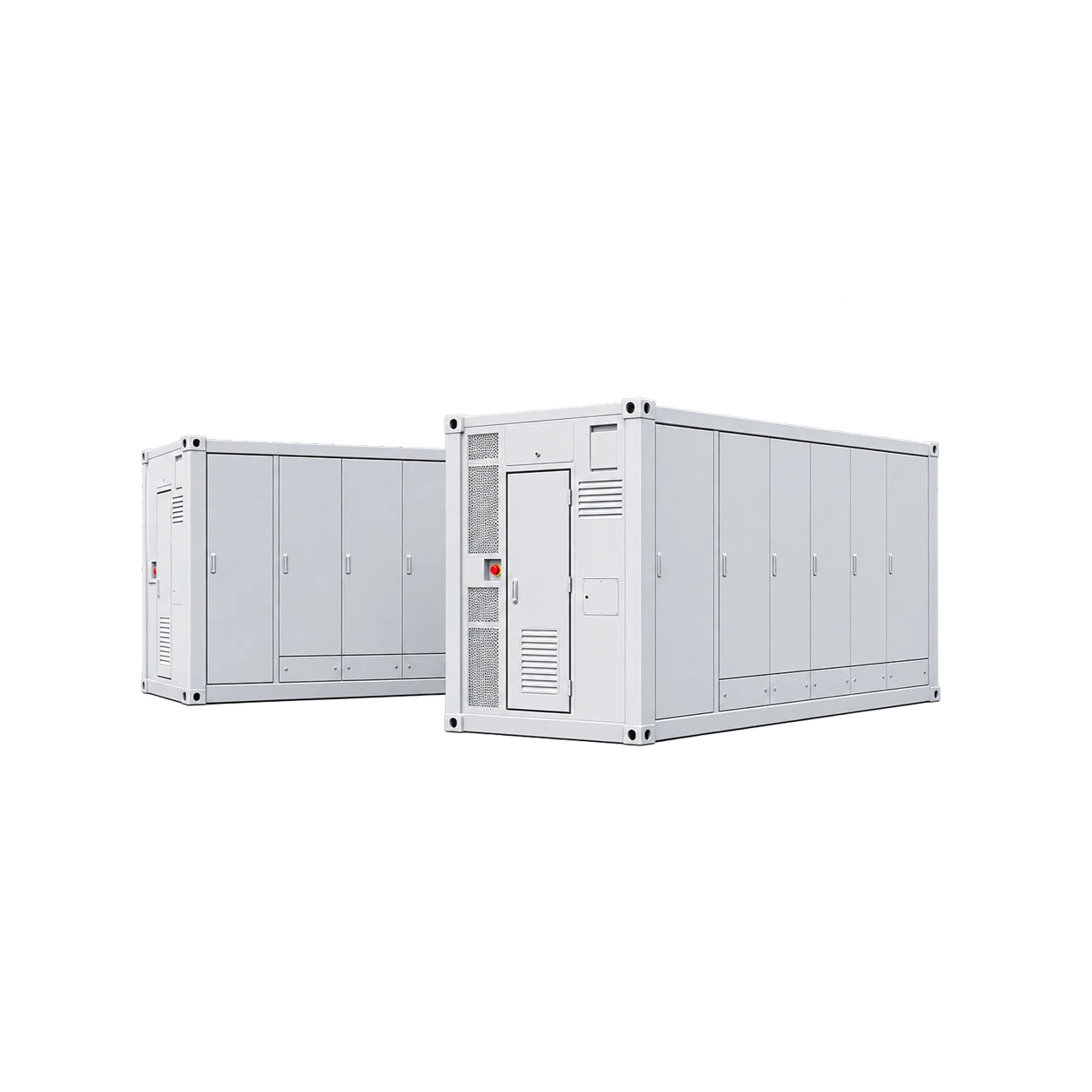
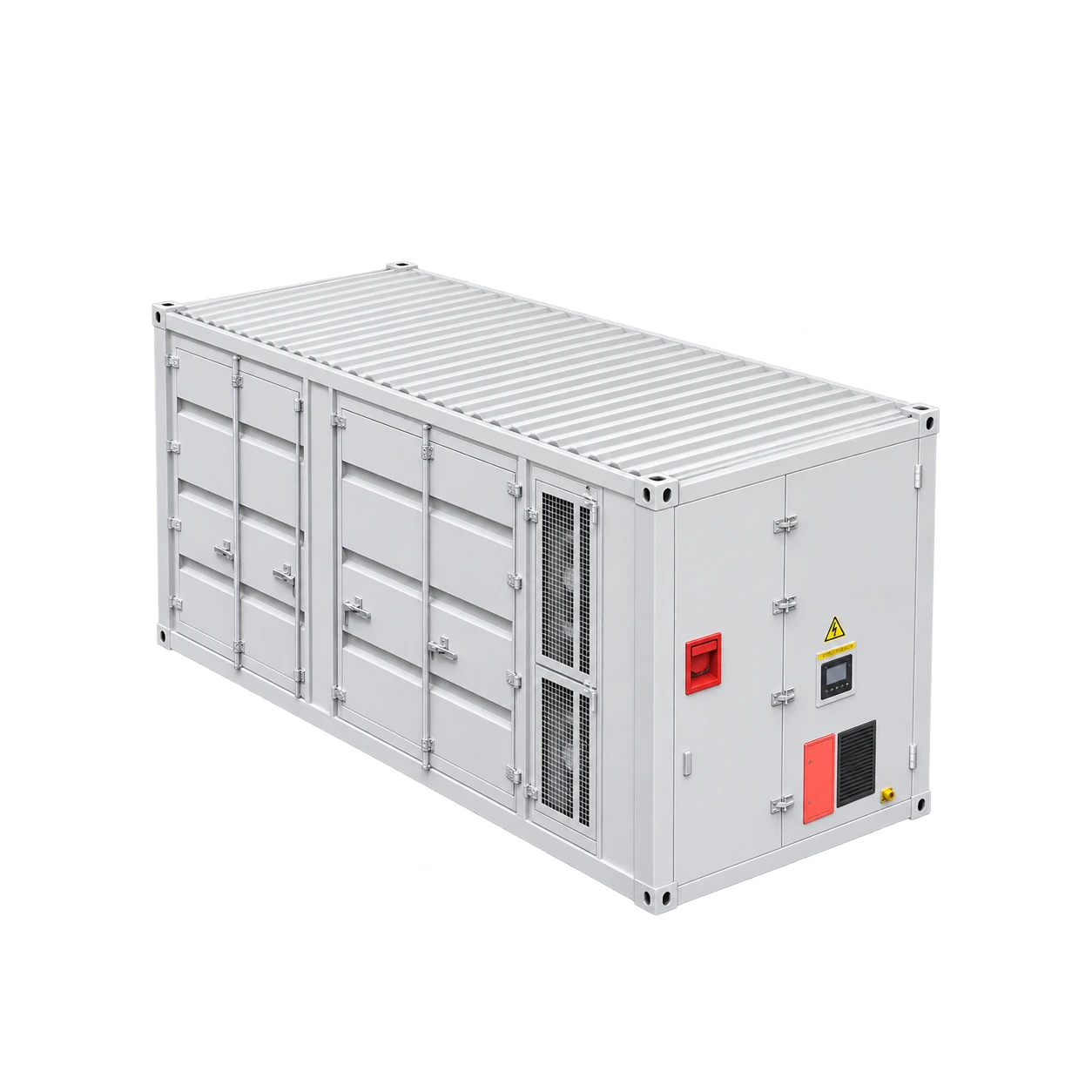
Select the conversion route from the incoming grid voltage, the ship’s voltage and frequency, and the berth’s capacity requirements. For sites that also need storage or temporary power, the portfolio includes containerized battery stations and mobile shore supplies.
High-voltage grid input with high-voltage conversion and high-voltage ship supply.
Step down for low-voltage conversion, then step up for the ship connection.
Step down the grid input and supply a low-voltage ship connection.
Use a low-voltage input, conversion stage and ship connection.
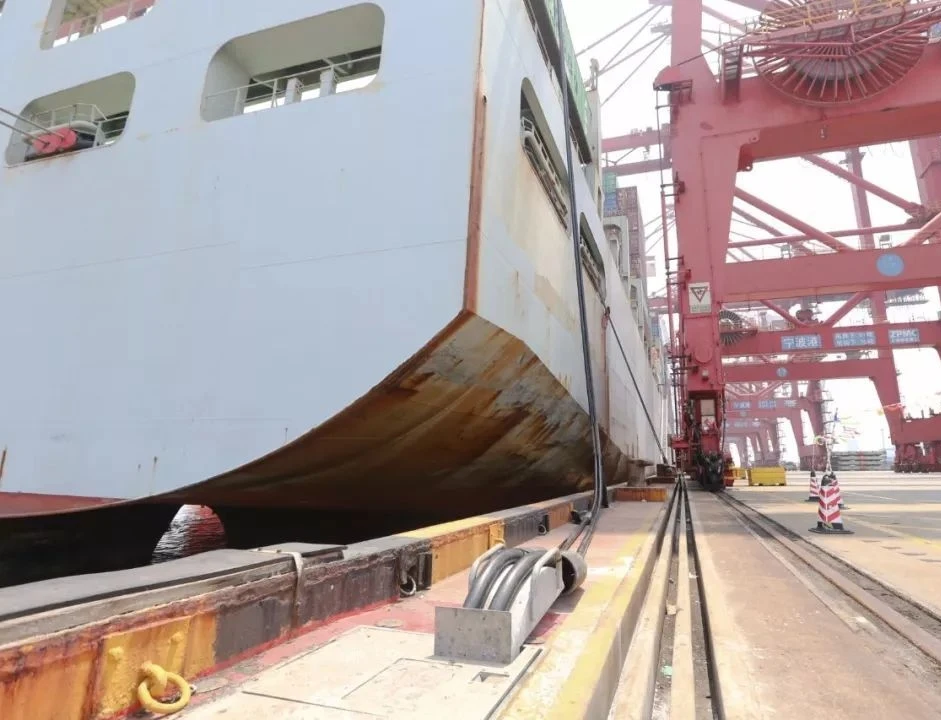
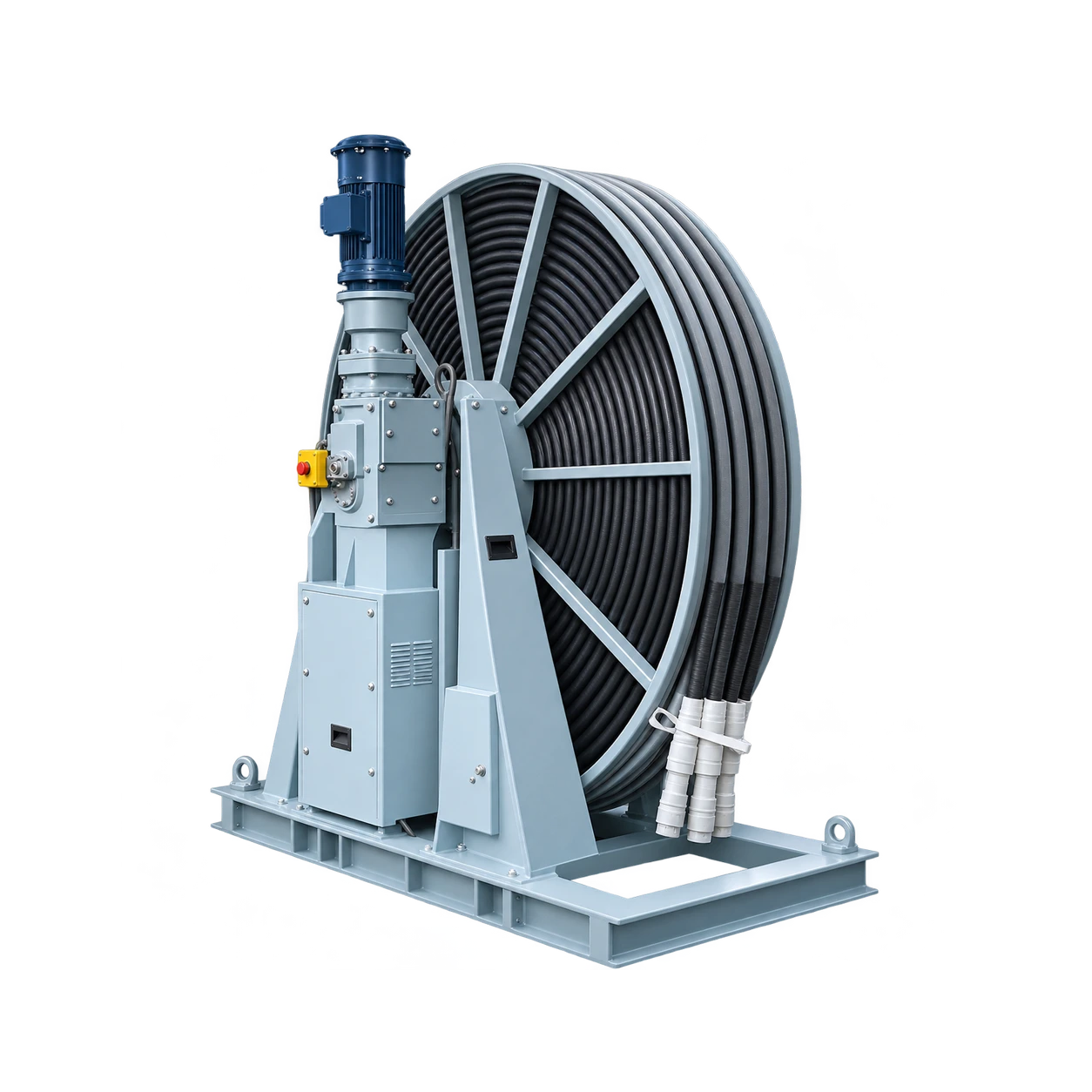
Cable length, tidal range, ship inlet location and quay working space determine how the cable is deployed and recovered.
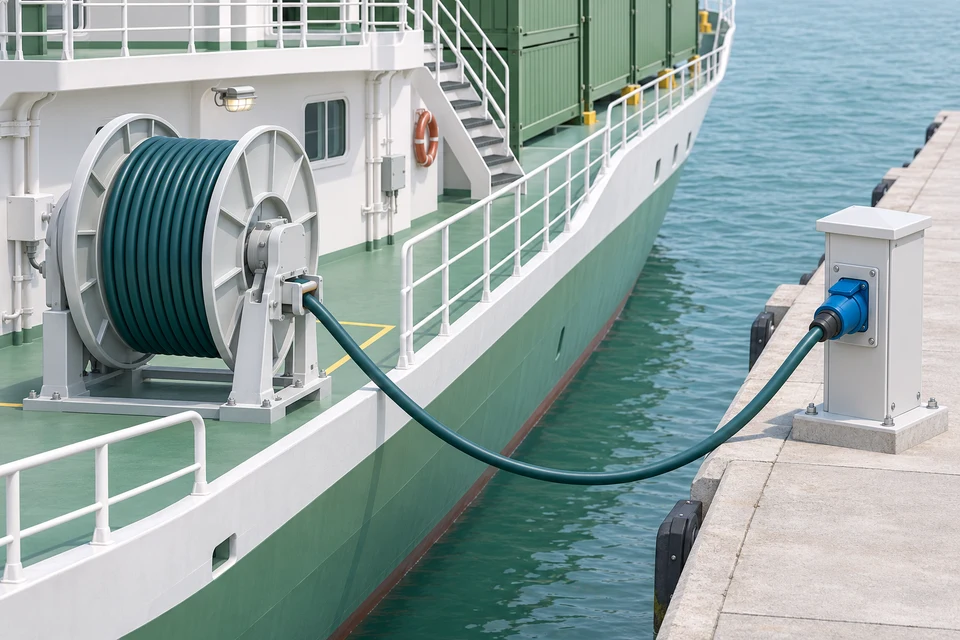
The vessel carries the cable handling equipment and connects to the shore outlet.
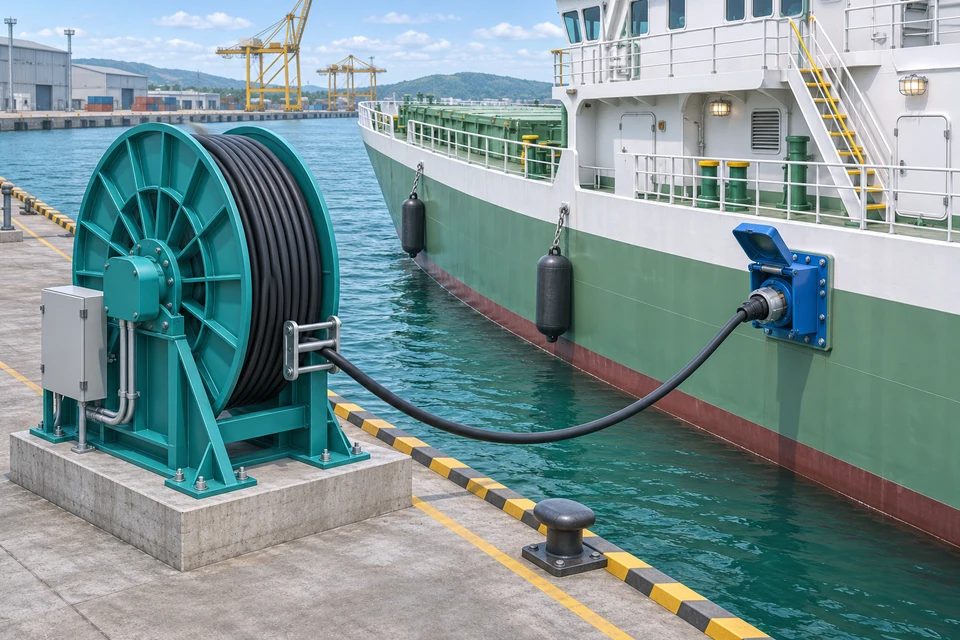
Quay equipment stores and pays out cable to the vessel.
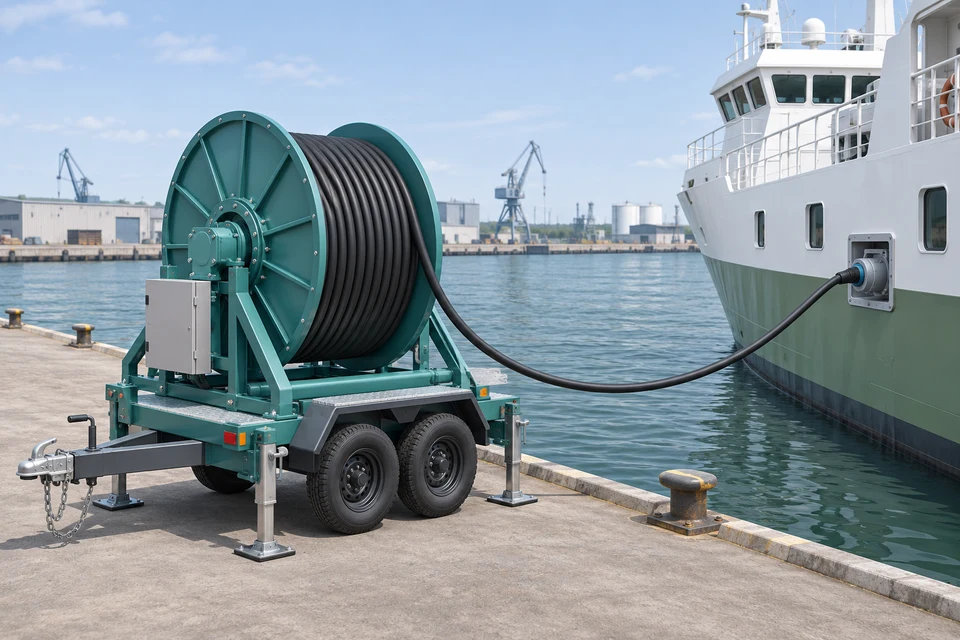
A mobile unit serves berths where the connection point needs to move.
Field equipment and meters connect to site and remote systems over links such as fiber, Ethernet, cellular or RS485. The operations team can monitor equipment, track energy use and manage billing from the same shore power system.
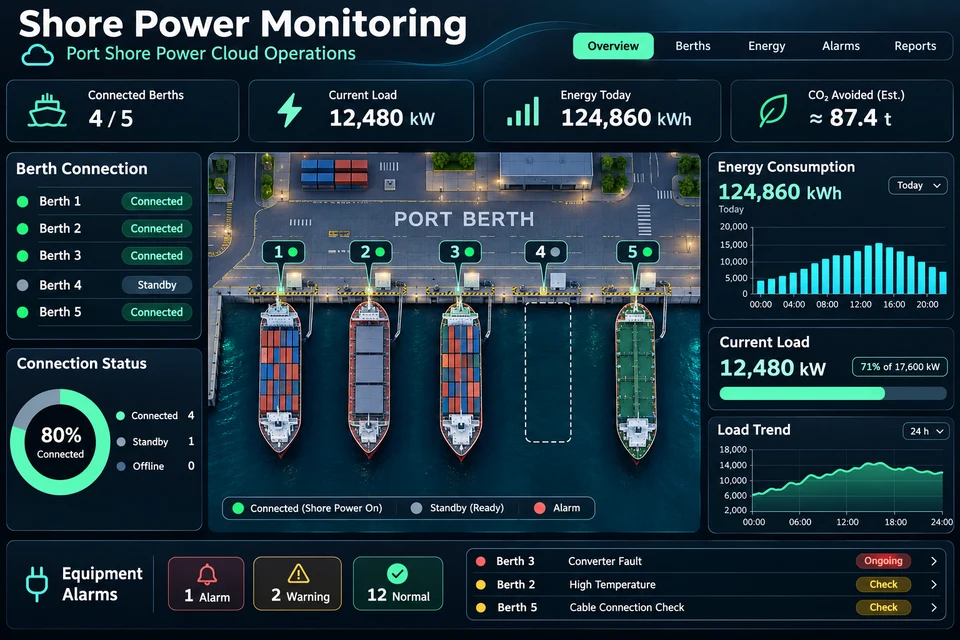
Bring berth status, energy data and alarms together for remote operations.
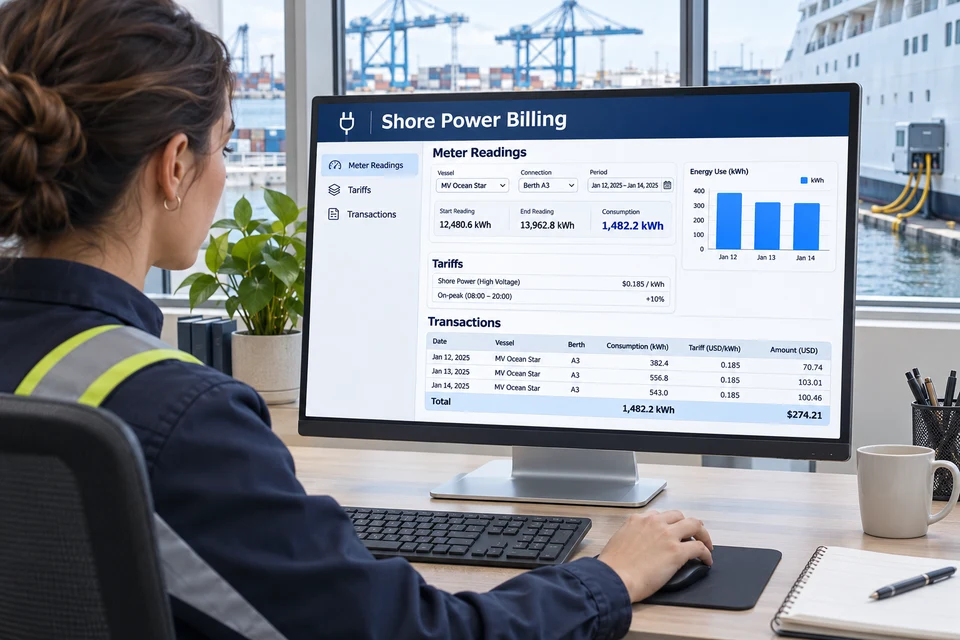
Manage accounts, tariffs, prepayment, transactions and reports.
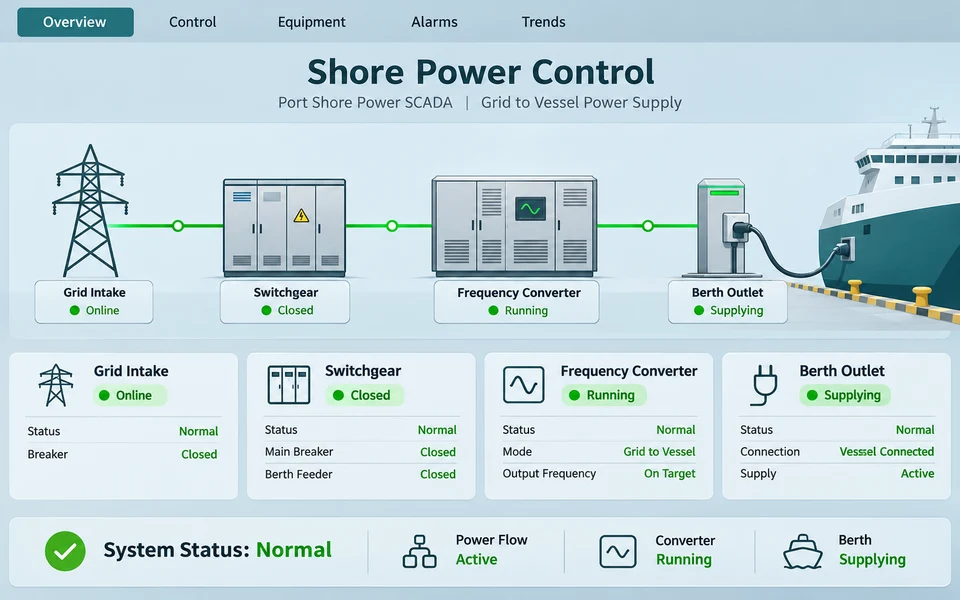
Monitor power converters, switchgear, connection boxes and cable reels, with fault and alarm handling.
Agree the ship and berth interfaces early, then verify the installed system under its intended operating conditions.
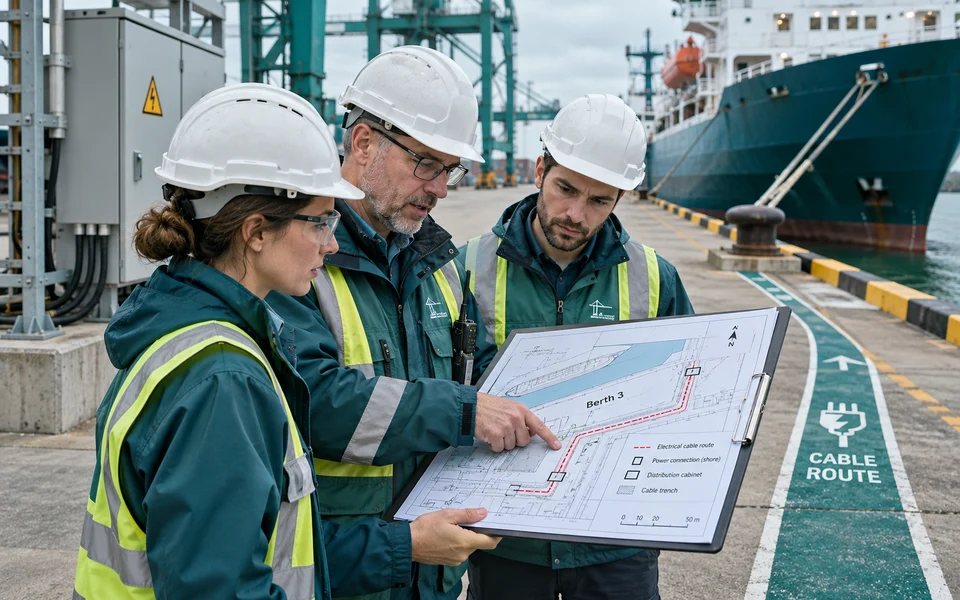
Confirm berth load, incoming power, vessel interfaces and cable routes.
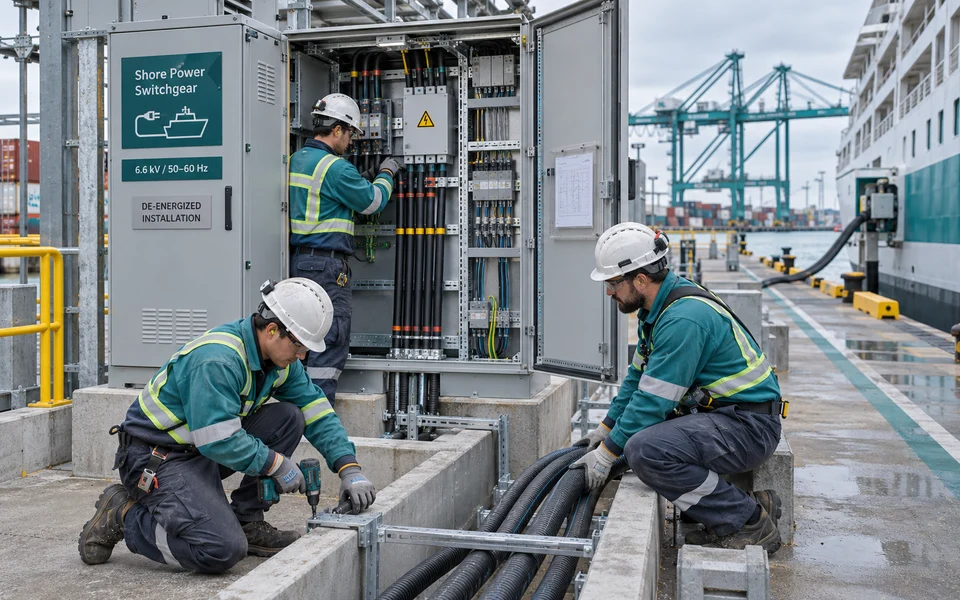
Install power conversion, cable handling, metering and communication equipment.
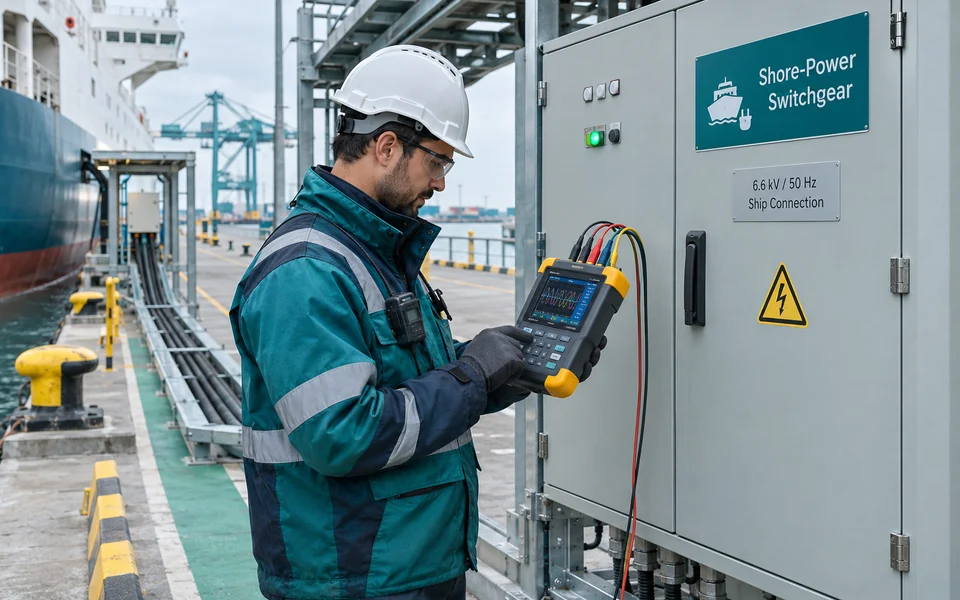
Check insulation, interlocks, output voltage and frequency, power quality and load behavior.
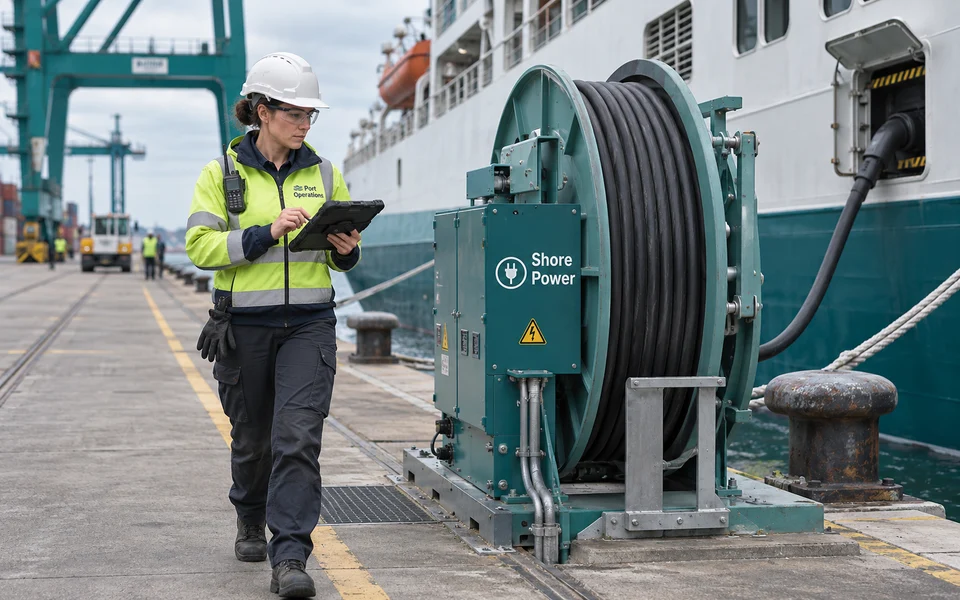
Establish equipment inspections, alarm response and metered settlement.
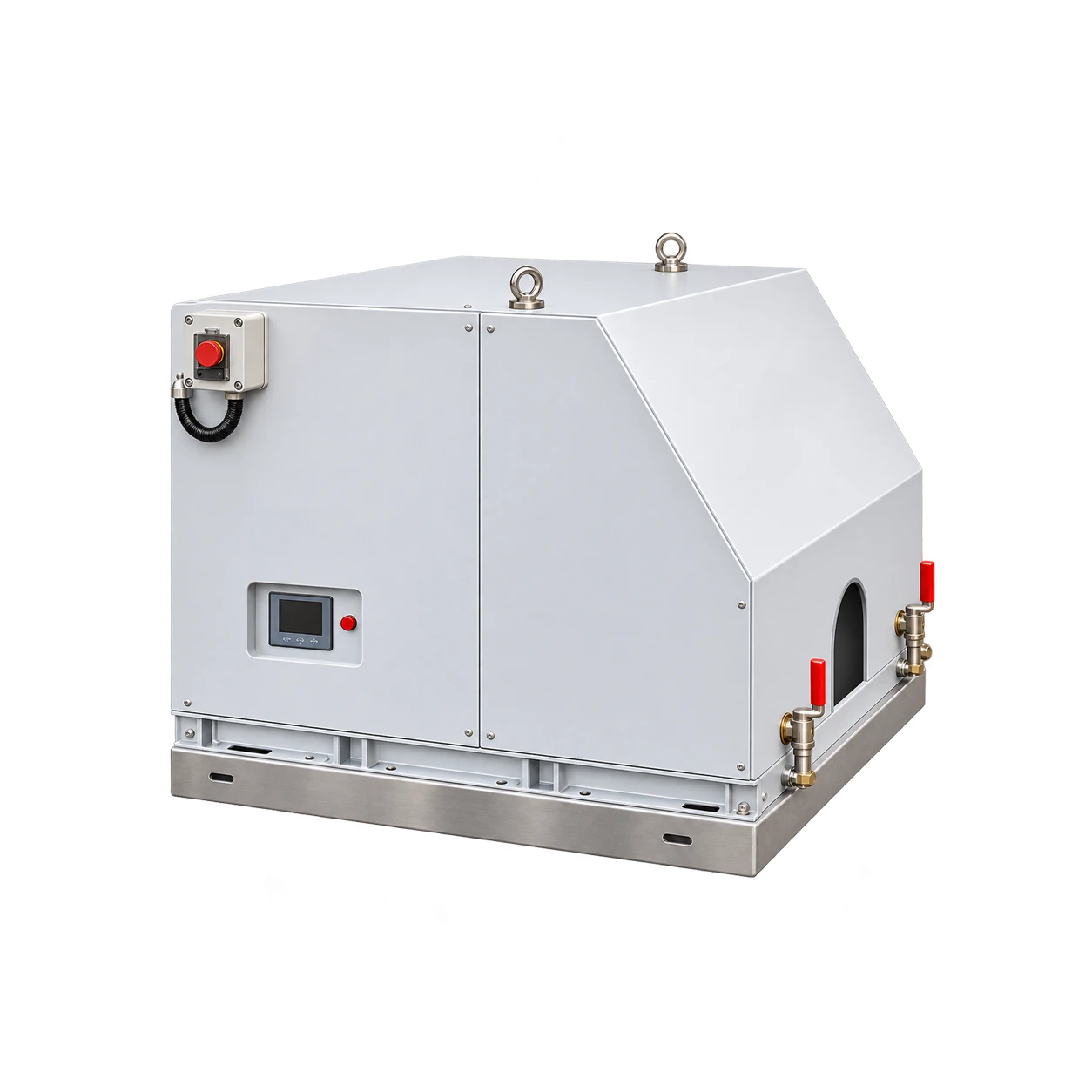
Select the power and connection equipment for the vessels, berth layout and local grid available at each site.

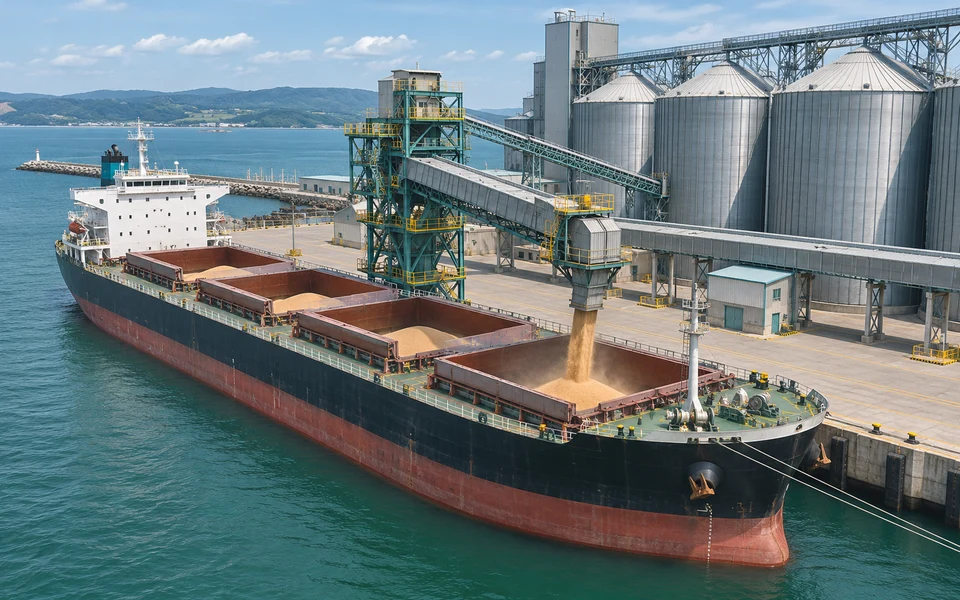

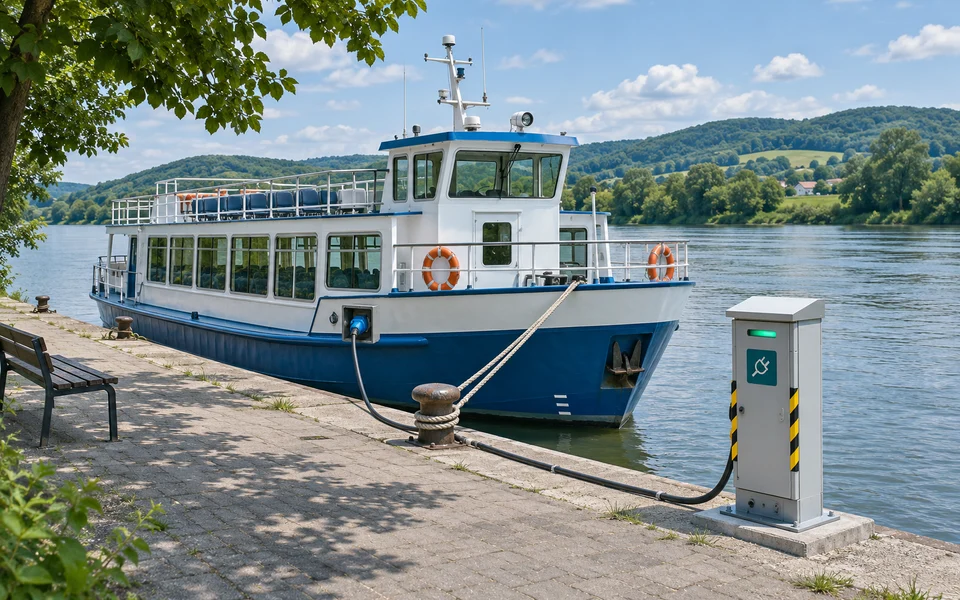
Compare power supplies, shore connection equipment, storage and cable handling products.
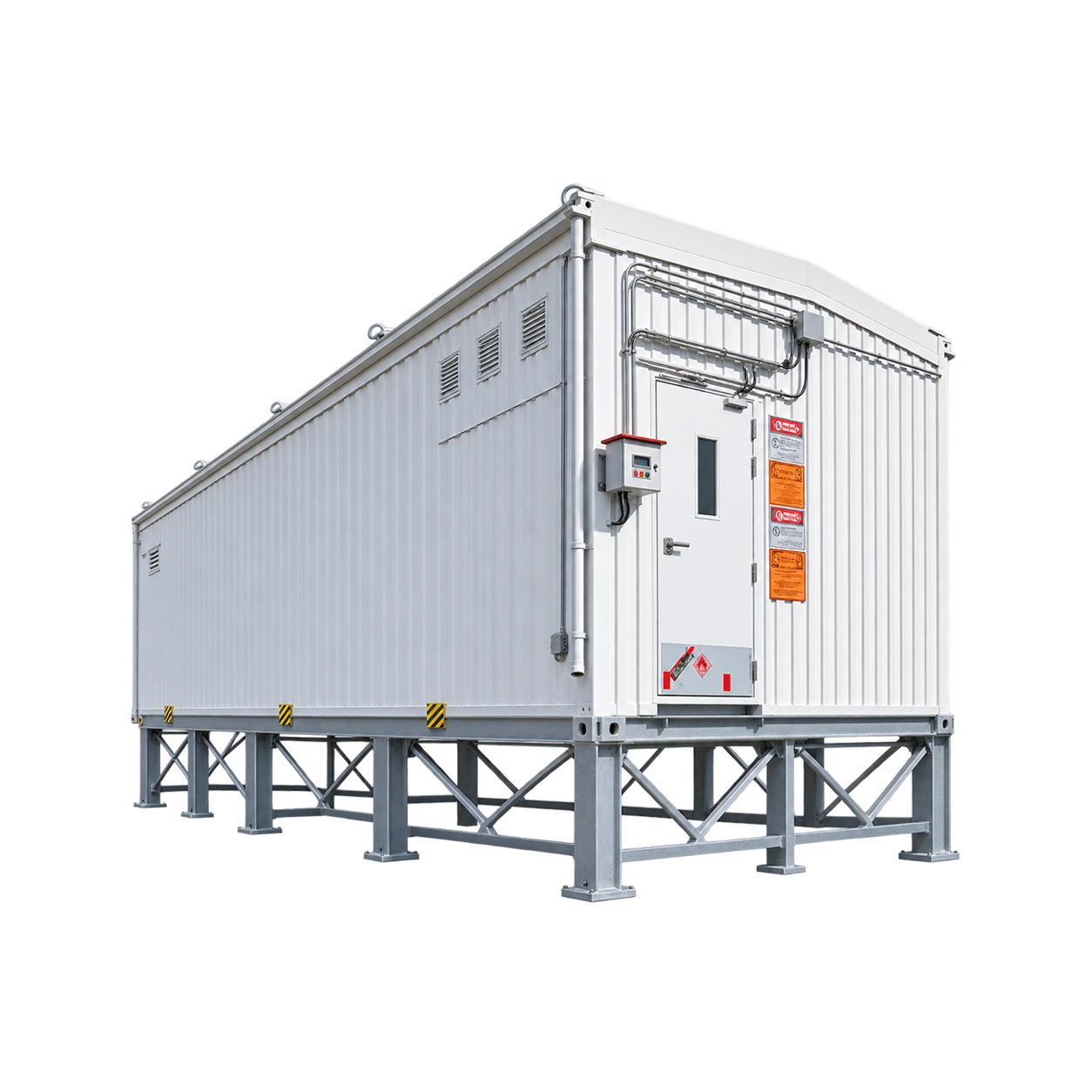
Share the vessel types, berth capacity and incoming power so we can discuss equipment selection.