
Connected metering
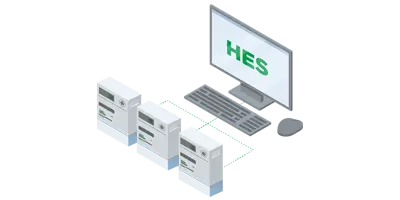
Collect meter readings, monitor device status and perform remote operations through HES.
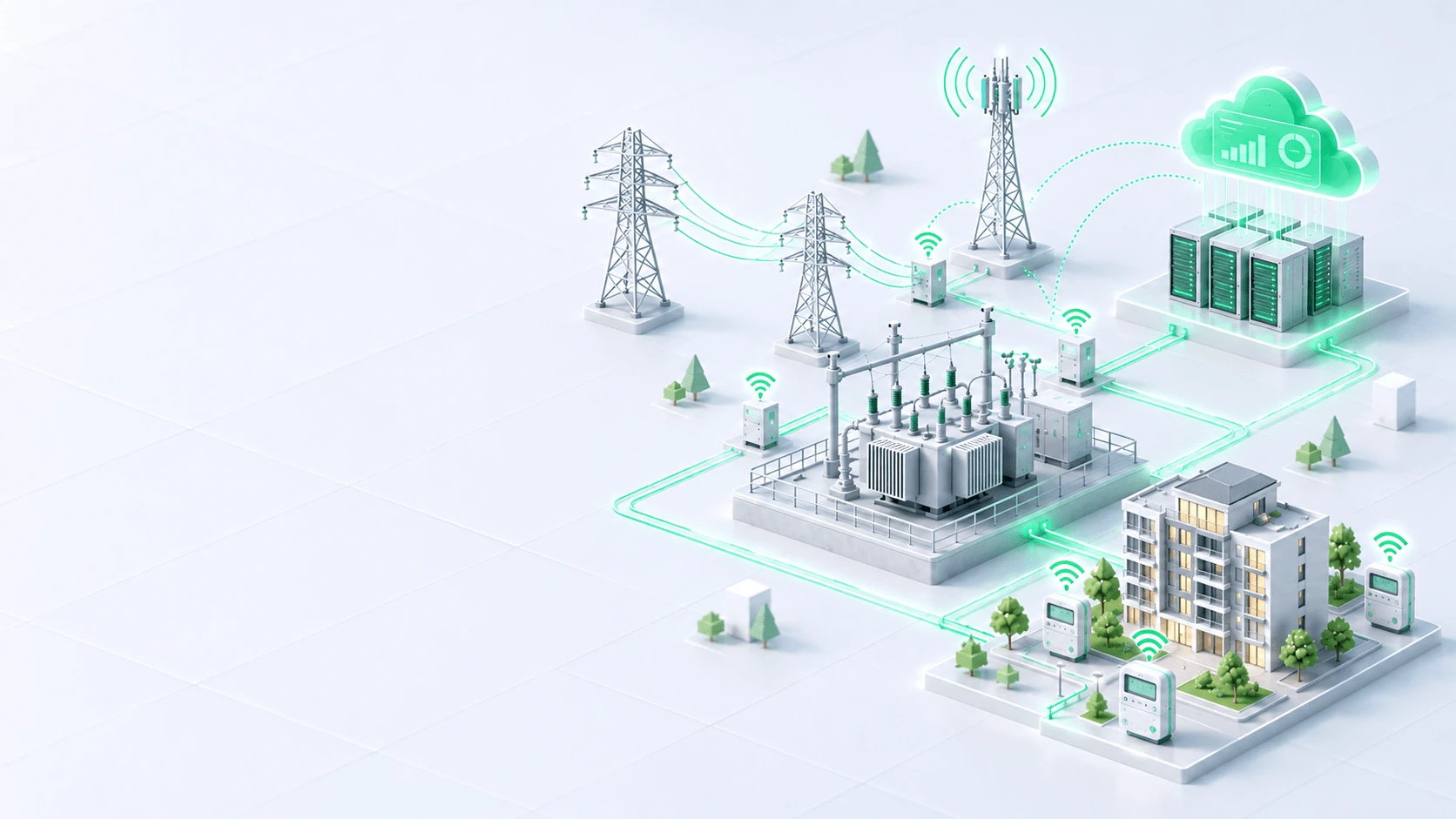
Connect smart meters, communication networks and utility applications. Bring meter data acquisition, management and field operations into one AMI solution.
Advanced Metering Infrastructure connects smart meters with utility systems through two-way communication. It combines field devices, communication networks, a Head-End System (HES) and a Meter Data Management System (MDMS) to support measurement, monitoring, data collection and analysis.

Collect meter readings, monitor device status and perform remote operations through HES.
Validate and manage metering data for billing, reporting and operational analysis.
Connect rollout, assets, warehouses and maintenance workflows with AMI systems.
Field data flows through communication networks, HES and MDMS to utility applications. An enterprise service bus connects the metering platform with existing business systems.
Business applications and existing utility systems
Exchange information across metering and business systems
Data management · data acquisition · network monitoring
WAN / FAN / NAN connectivity
Residential, commercial and industrial metering points
Three complementary software areas connect meter communications, energy data and electricity purchasing services.
 HES + NMS
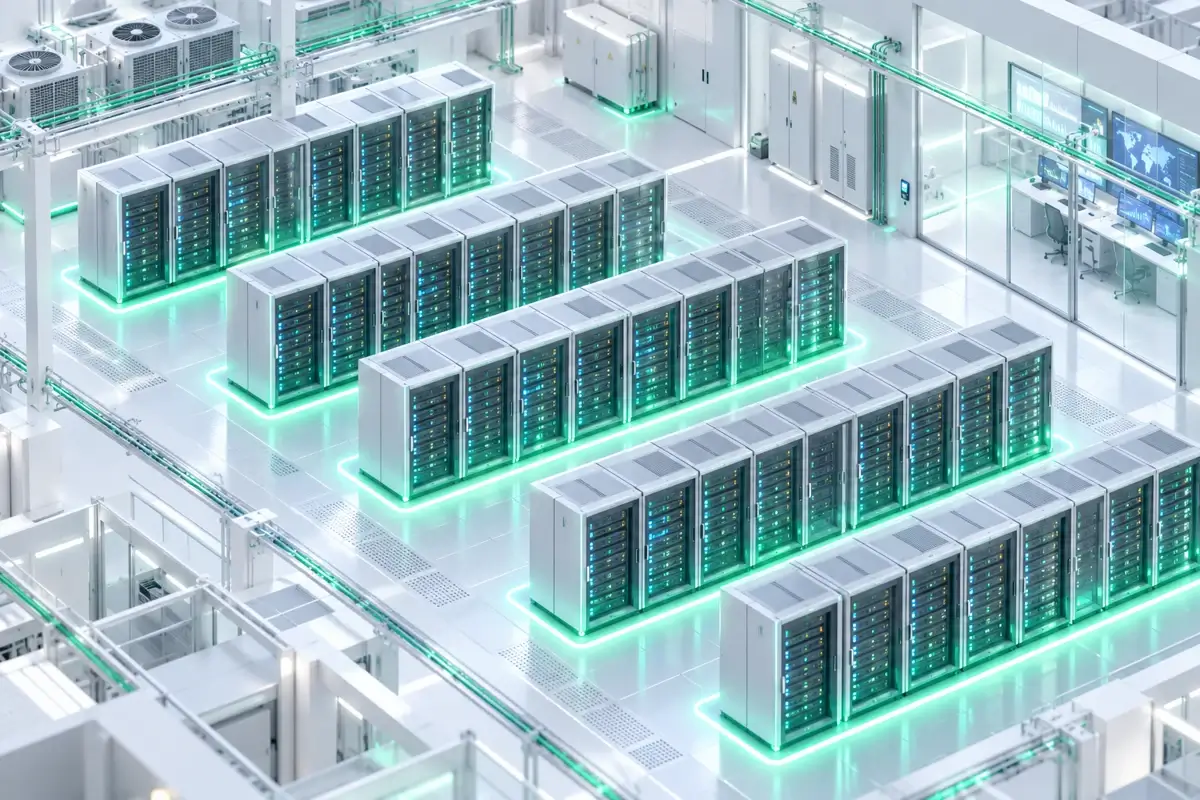
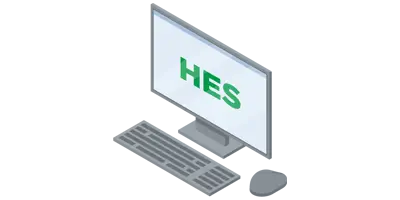
HES collects, processes and monitors metering information. NMS provides visibility into device connectivity and network performance.
 MDMS
Centralize meter data storage, processing and analysis to support utility business and operational workflows.
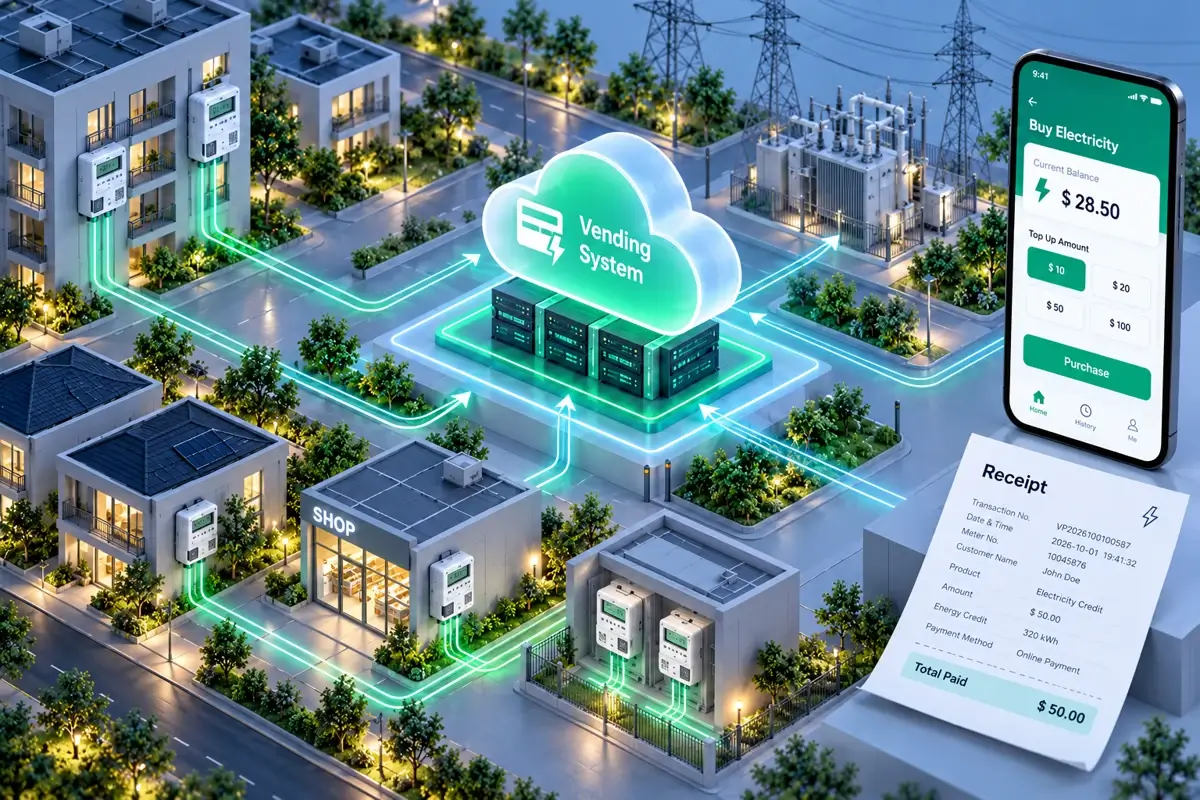 VENDING
Support prepaid electricity purchasing through self-service terminals, a website platform and mobile applications.
Supporting systems coordinate deployment and ongoing operations across the meter lifecycle.

Monitor the metering value chain, analyze anomalies and KPIs, manage maintenance tickets, and support remote diagnosis and on-site troubleshooting.
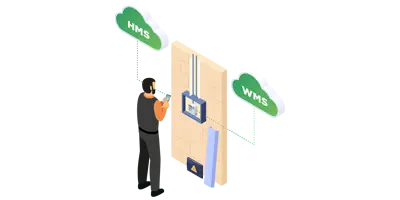
Support on-site readings and re-readings, inspections, reconnection, parameter configuration, firmware updates and clock synchronization using mobile tools.
Bring procurement, warehousing, installation, communications and maintenance information together for meters, DCUs and supporting equipment.
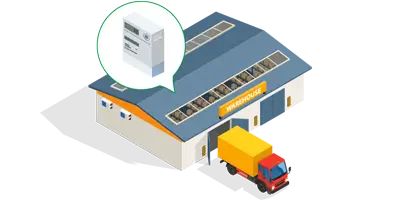
Manage central and secondary warehouses, equipment inbound and outbound movements, allocation and returns during project delivery.
Plan surveys and installation work orders, capture installation data and photos, conduct quality reviews, and synchronize records with AMI and business systems.
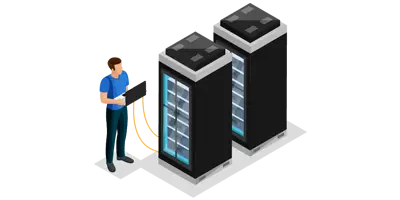
The rollout process links system delivery, IT infrastructure and meter deployment, including requirements review, integration testing, user acceptance and training.
 01
 02
 03
 04
 05
 0607
 08
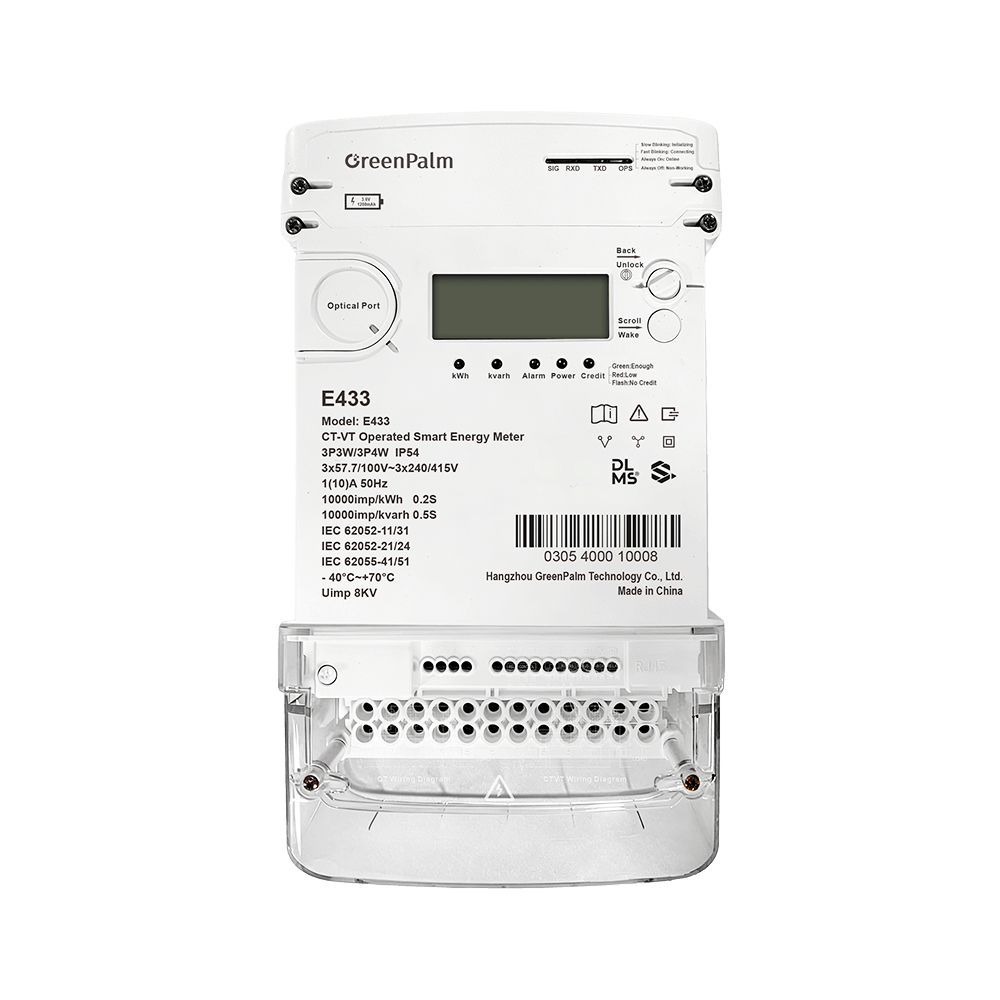
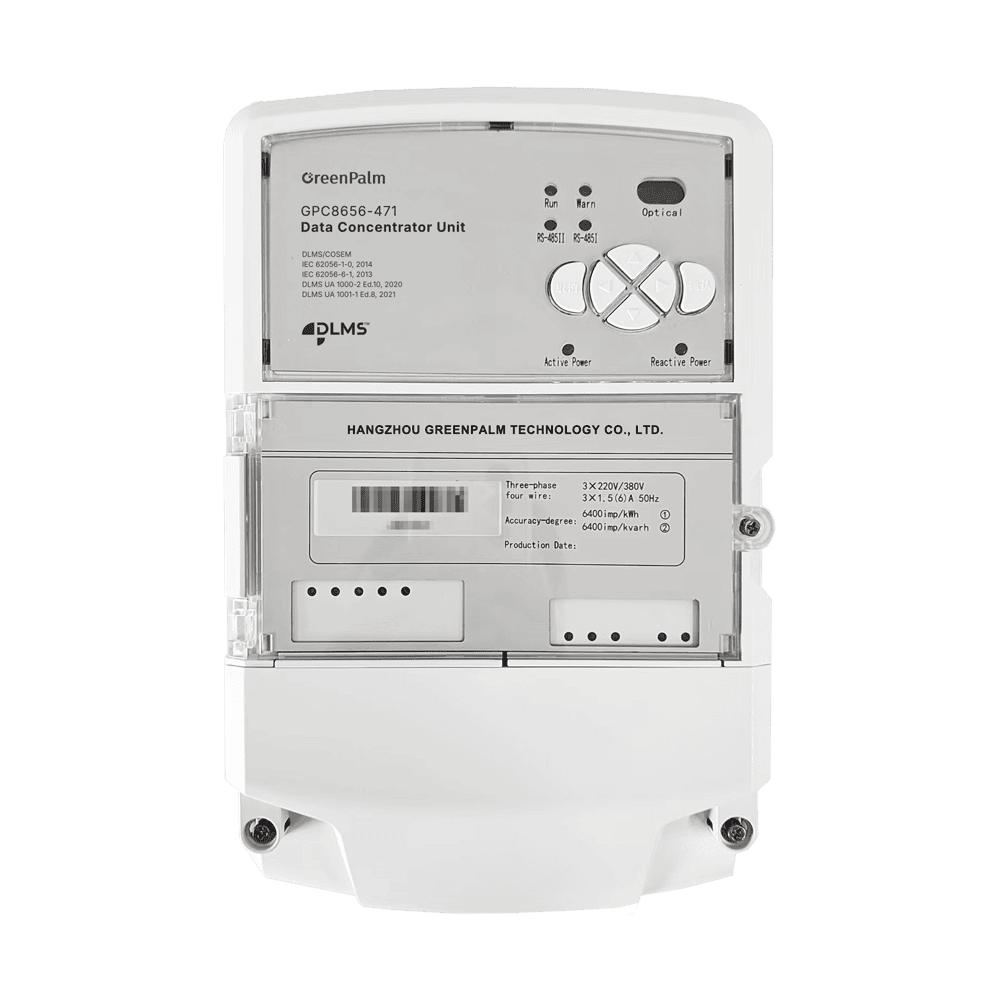
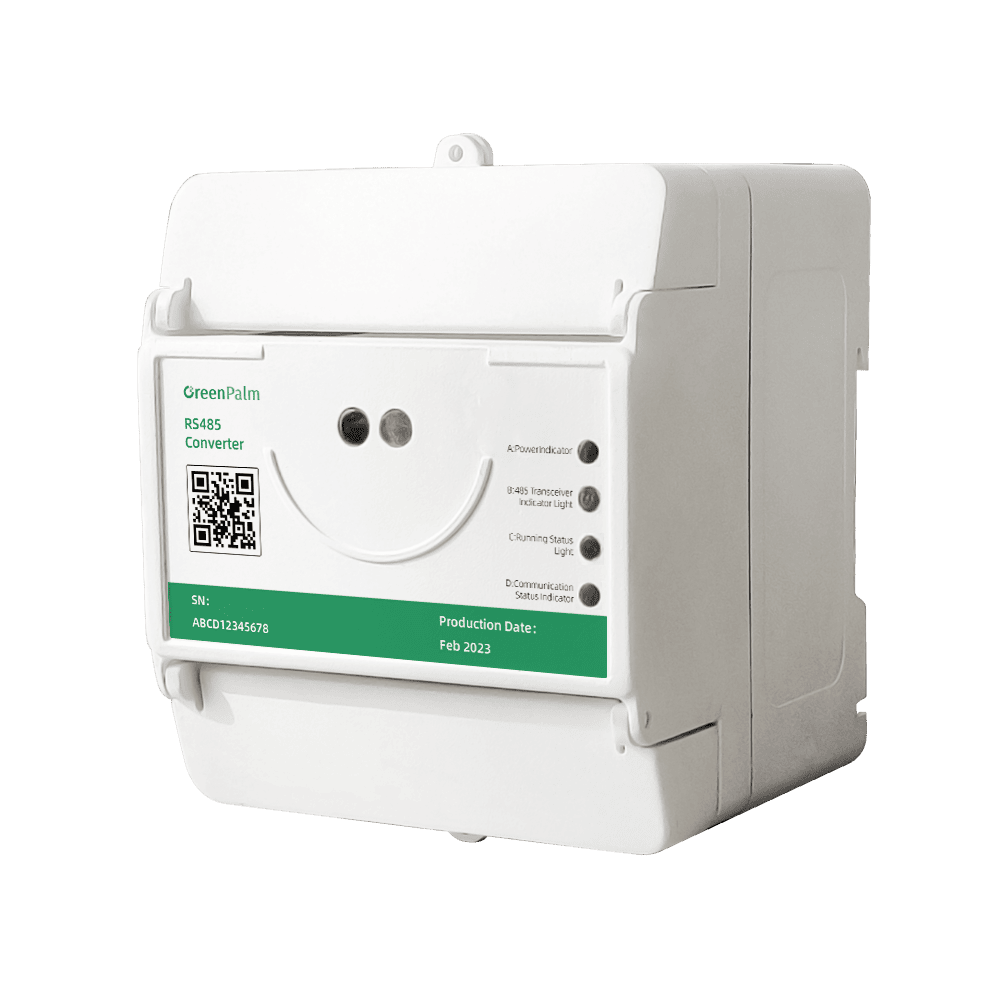
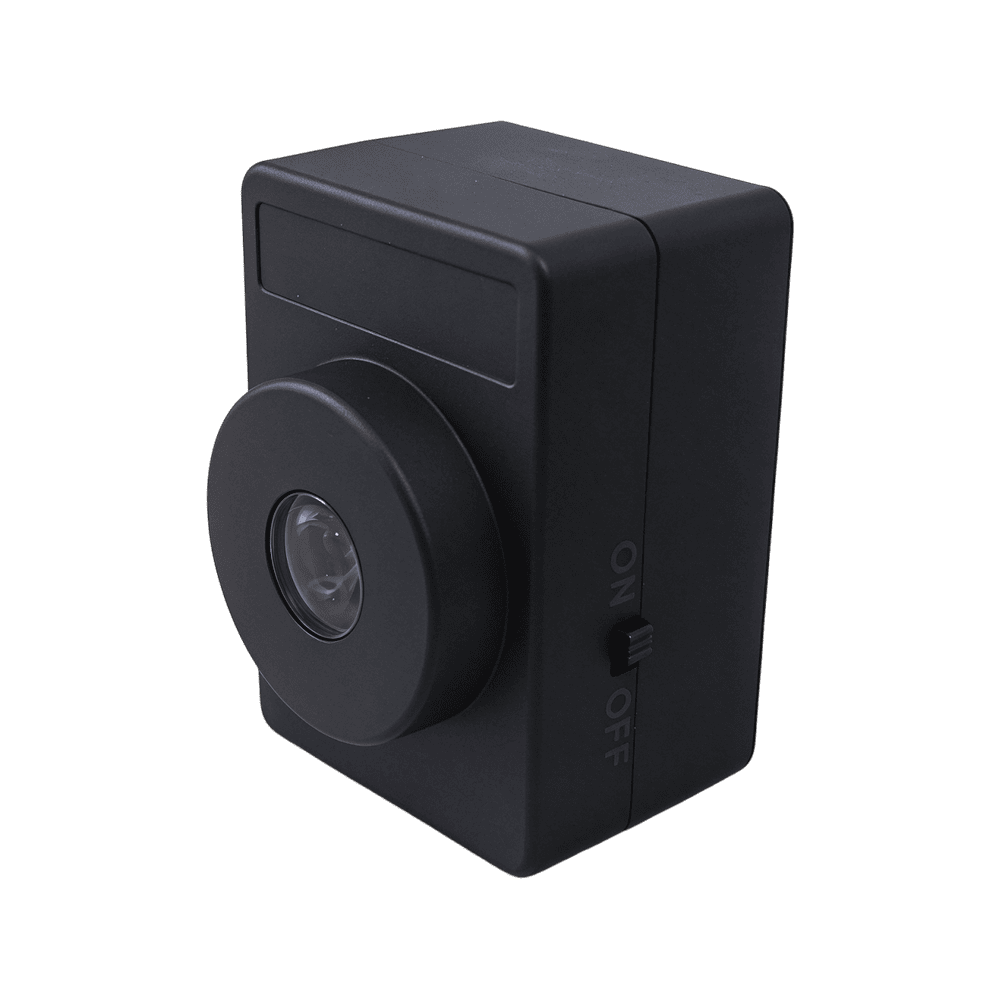
Explore smart meters, data collection equipment and local communication tools described in the AMI portfolio.
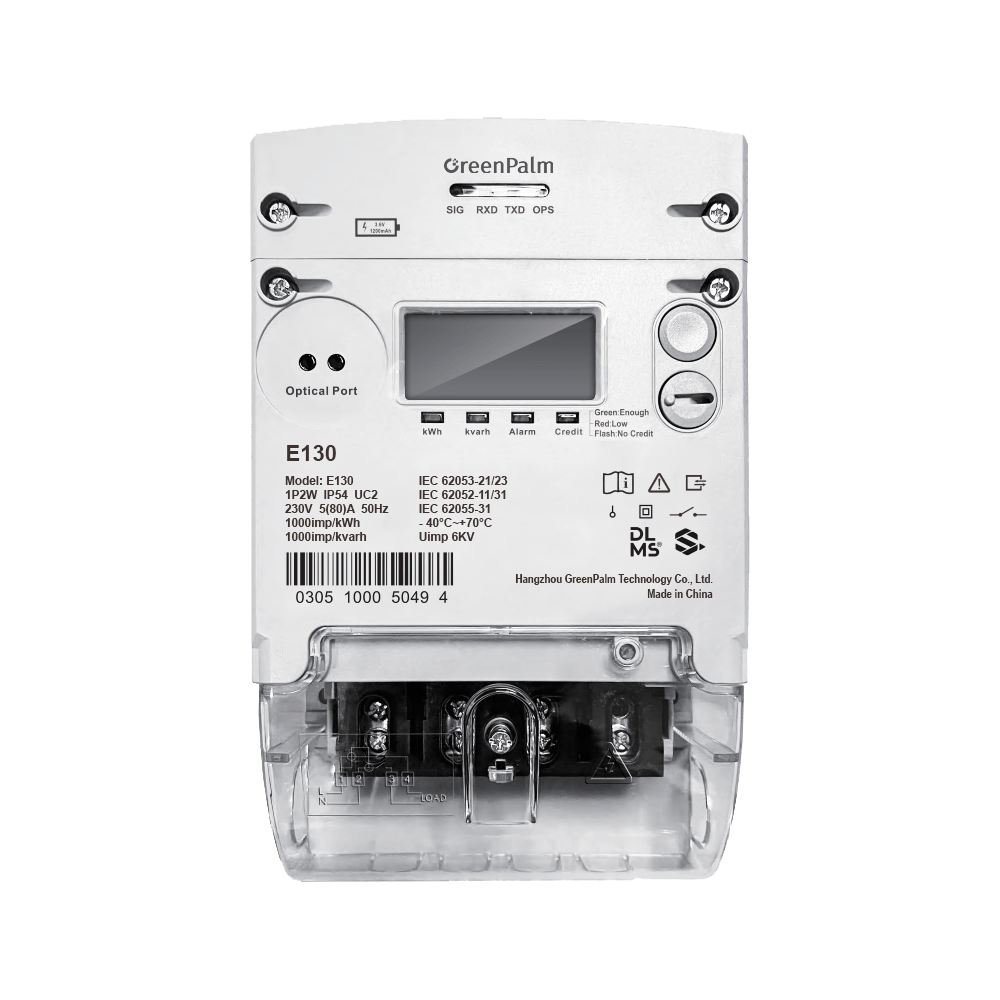
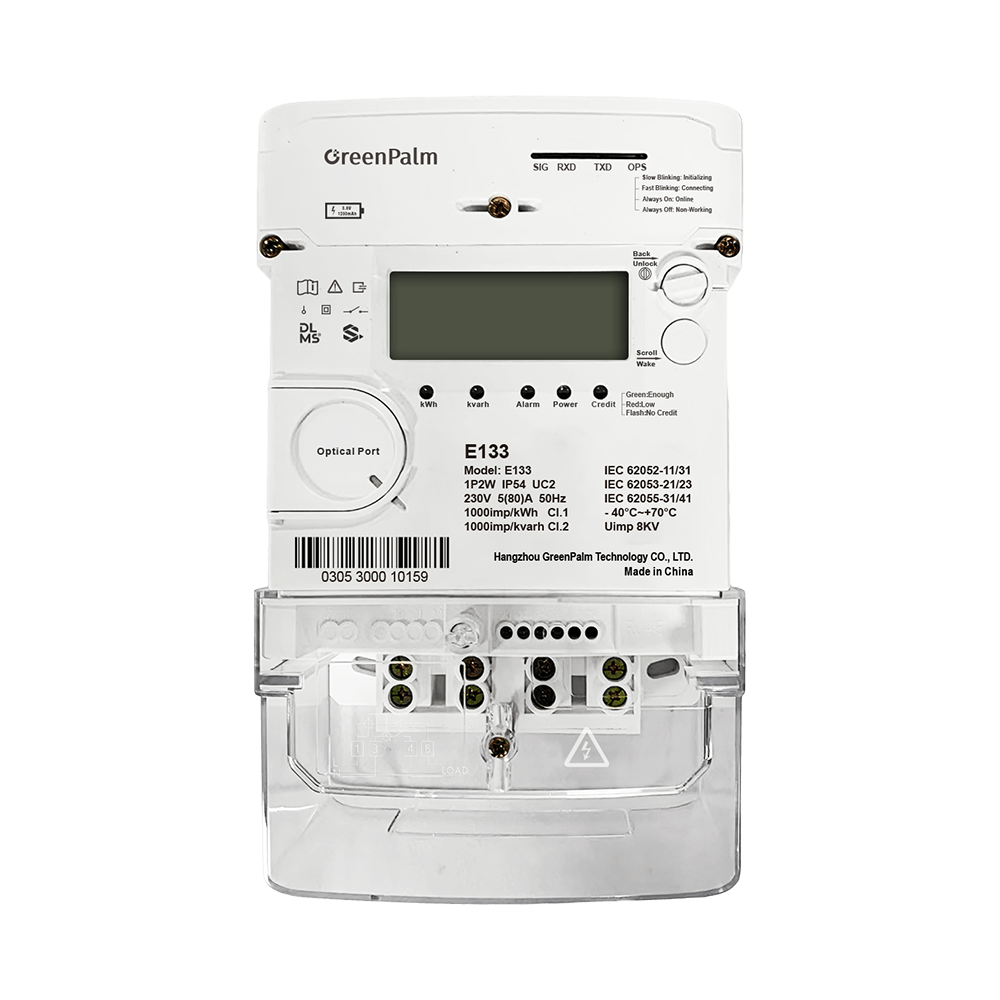
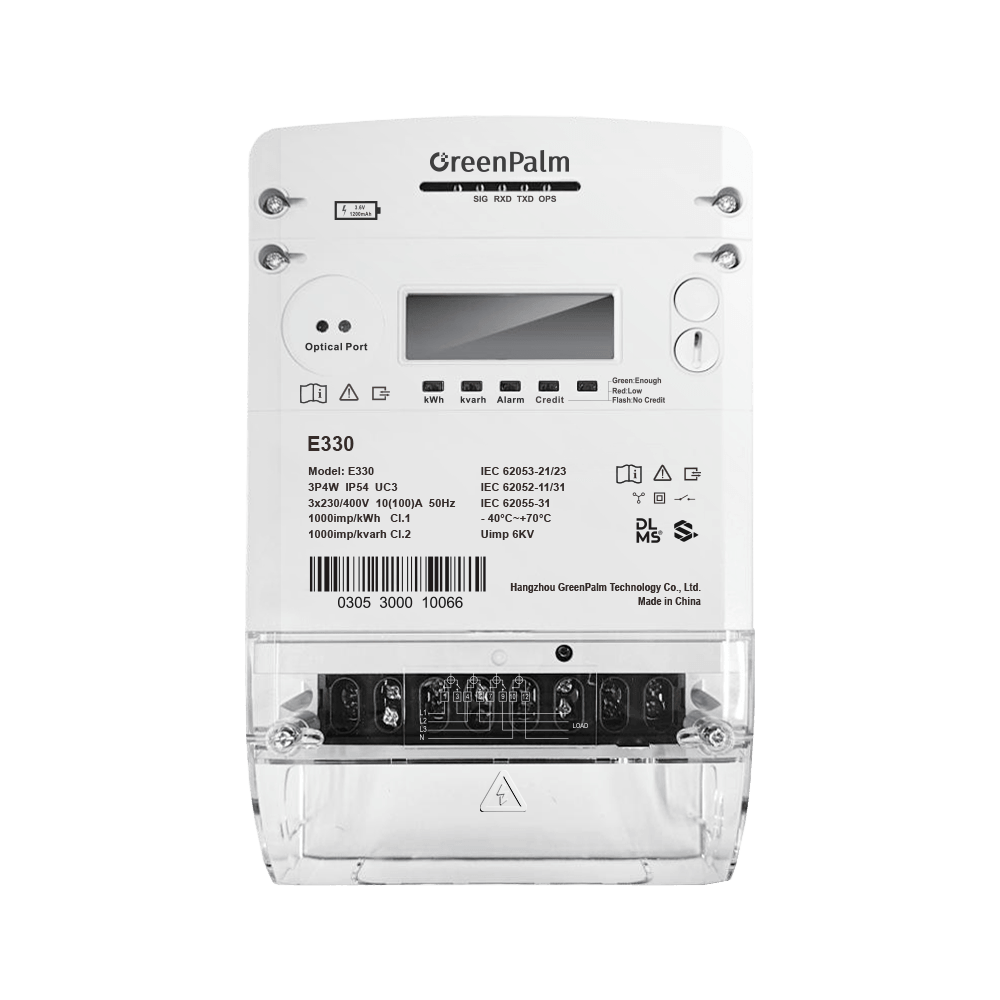
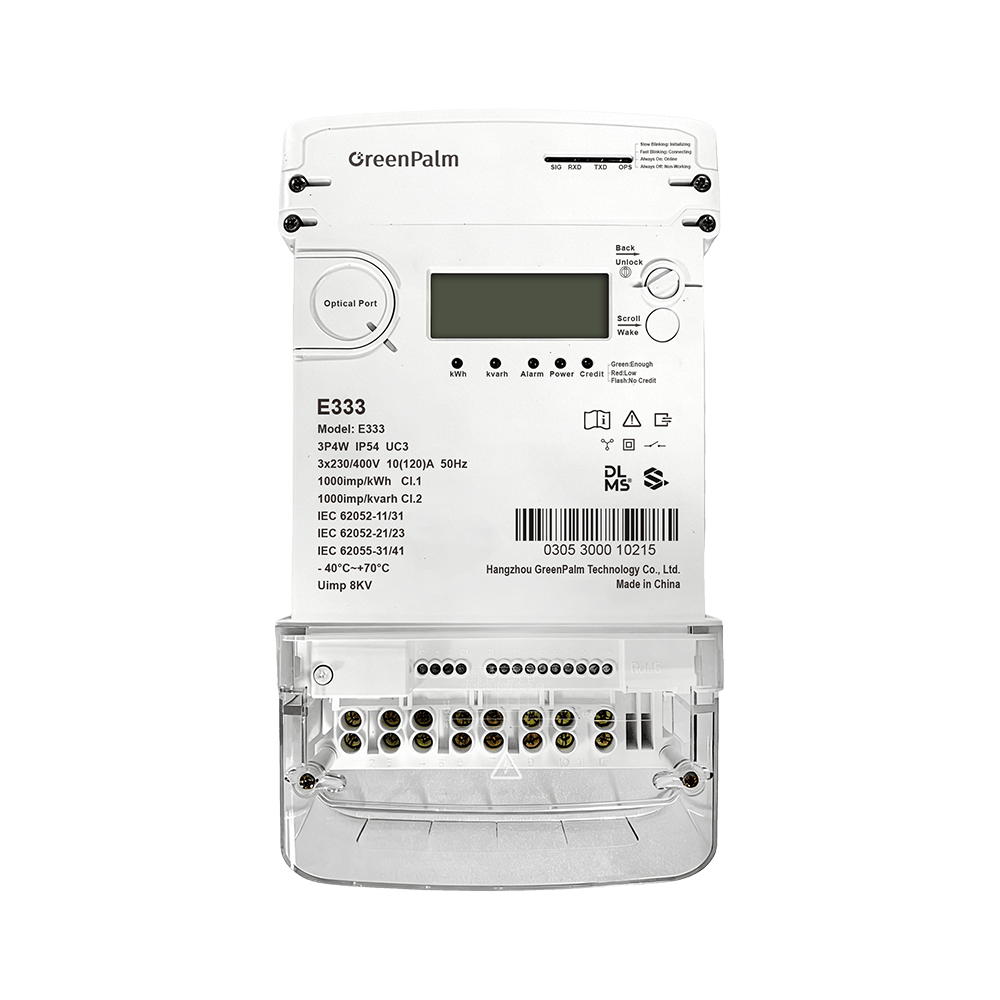
Talk to GreenPalm about your metering devices, communication environment, data requirements and rollout plans.